
Drain Cleaning in Carefree for Slow Sinks and Stubborn Clogs
A common belief is that a slow drain only needs a bottle of chemical cleaner. Chemicals often clear a small channel and leave the buildup behind, which is why clogs return. A plumber serving your area can clear the line with the right tool and show you what was in it.
- Licensed and insured plumbers
- Same-day service when available
- 24/7 emergency dispatch
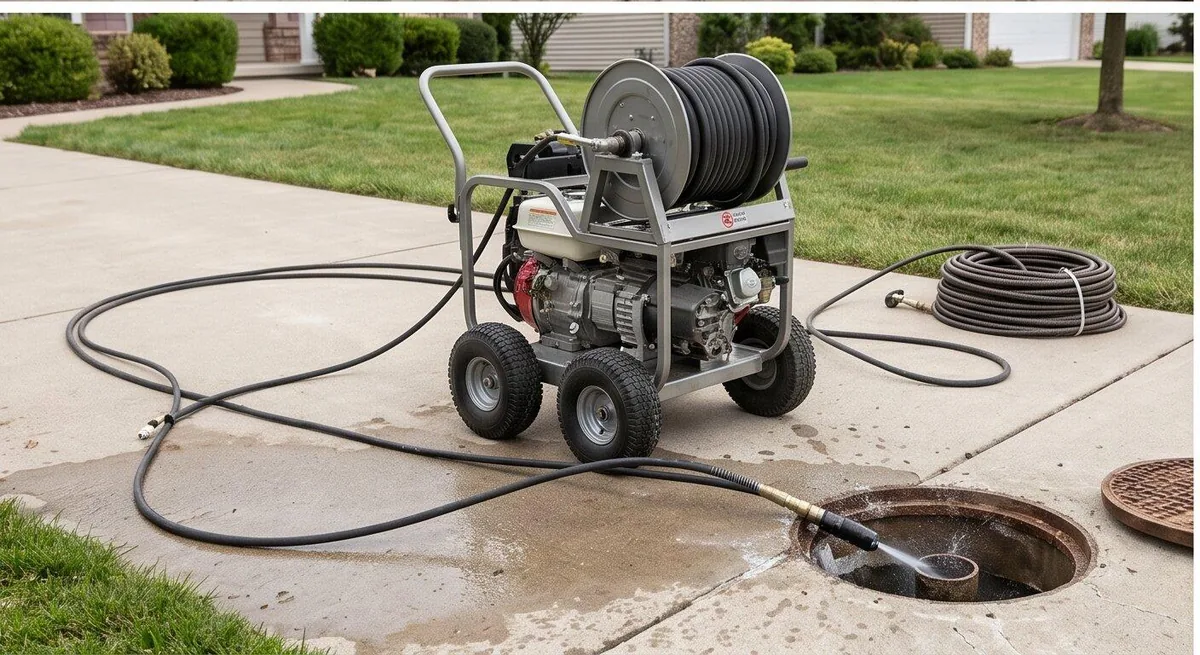
Snaking a drain: the rooter service for a single blockage
A drain cable, often called a snake or rooter, is the standard answer for a blockage close to a fixture. A motor spins a flexible steel cable into the pipe until it meets the obstruction, then breaks it apart or hooks it for removal. It suits hair in a shower drain, paper in a toilet line and a soft clog under a sink.
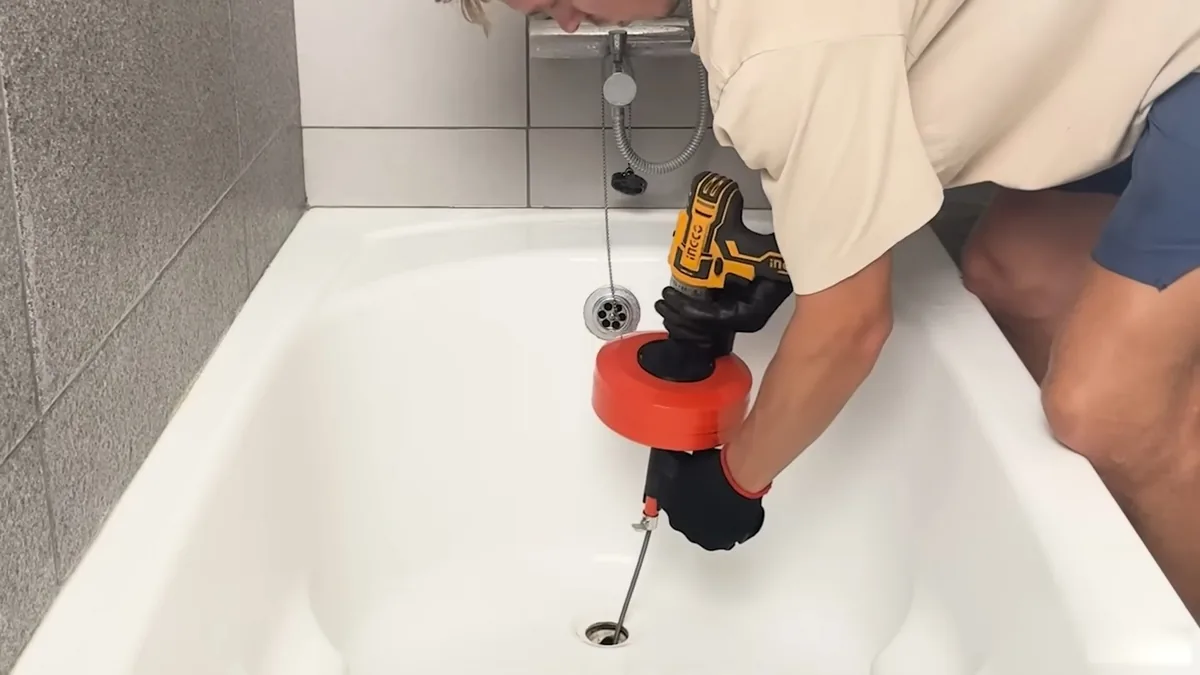
Snaking has limits. A cable bores a hole through grease rather than scraping the whole pipe wall, so greasy lines can clog again in weeks. Ask the plumber what came out and whether the pipe wall still looks coated, which a camera can show.
Hydro jetting: when a wider cleaning is the better call
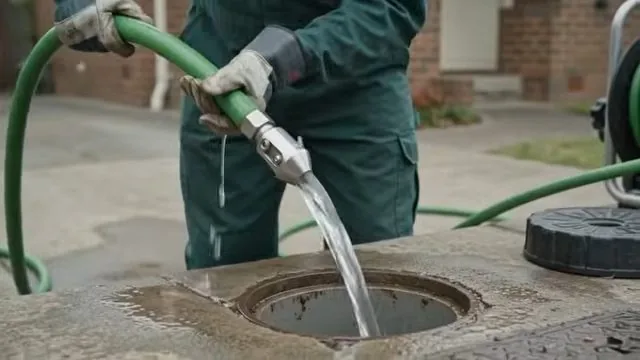
Hydro jetting uses pressurized water instead of a cable, and it cleans the wall of the pipe along a longer run. It fits grease buildup, scale and roots that have thickened into a mass. Because the water does the work, it can leave a line cleaner than a cable does.
| Situation | Snaking | Jetting |
|---|---|---|
| Hair or paper near one fixture | Usually enough | Not needed |
| Kitchen line with grease buildup | Opens a channel only | Cleans the pipe wall |
| Repeat clog every few weeks | Short-term fix | Better after a camera look |
| Cracked or collapsed pipe | Can snag or damage it | Not safe; repair first |
| Roots in a line | Cuts a path through | Clears more of the mass |
Drain backing up as you read this?
Hold off on sinks, tubs and the washer, then call. A plumber can start by locating the blockage.
Clogged, slow or backed up: what each symptom says
Symptoms point to where the clog sits. A slow drain at one sink means a local blockage in that fixture trap or branch. Gurgling and slow drainage at several fixtures means the shared line is partly blocked. Water rising in a tub when the washer drains is a sign of a main line problem, and that is the point to stop running water.
- One fixture slow: local clog near the trap.
- Two or more fixtures slow: the branch or main line.
- Toilet gurgles when another fixture drains: the vent or main line.
- Water at a floor drain: the main line is blocked.
Drain odors are a symptom of their own. A dry trap, a film inside the pipe or a partial blockage can all cause a smell, and the plumber can usually tell which from a quick look and a camera.
Kitchen sink drains and the grease problem
Kitchen drains clog faster than any other line in the house. Fat and soap leave a coating that grabs food and coffee grounds, and the pipe narrows gradually until water stands. Garbage disposals grind scraps but do not stop grease, so the buildup continues past the disposal.
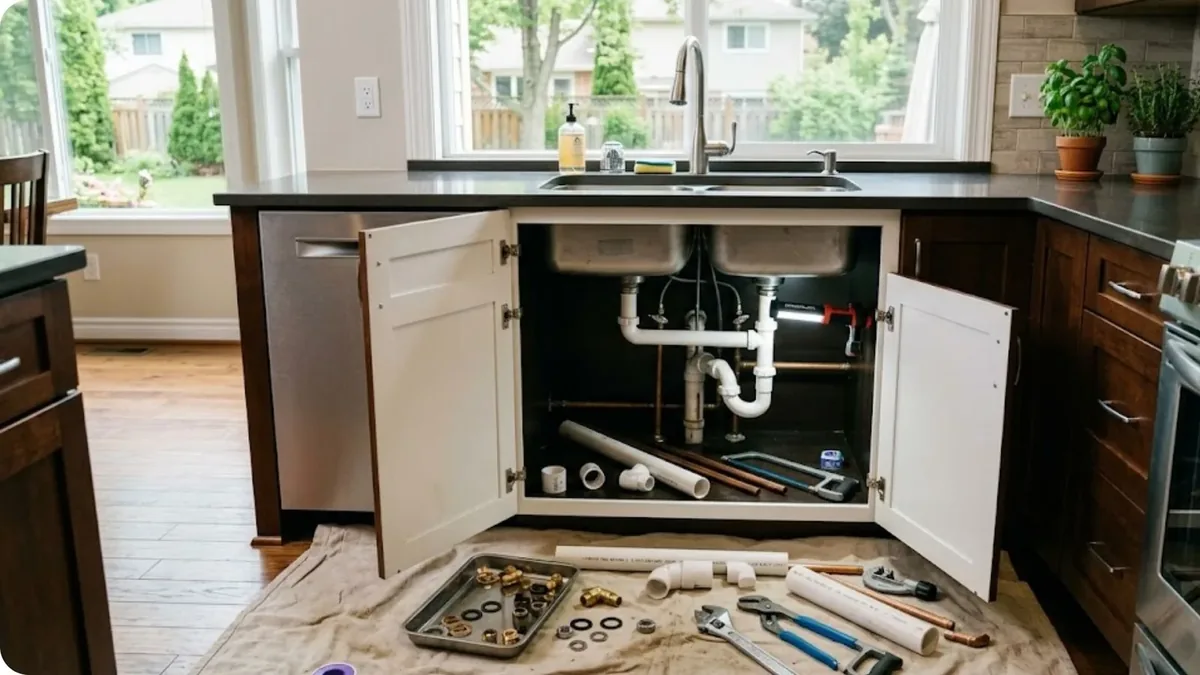
Habits help. Wipe pans before washing, scrape plates into the trash and keep fibrous scraps out of the disposal. For disposal problems, see the garbage disposal page.
Main line clogs and tree roots
A main line carries every drain in the house, so a clog there is the most disruptive kind. Tree roots enter through small joints in the line and grow into thick mats, which catch paper and slow flow. Roots can also split a line over time, so a cleaning that opens it is often followed by a camera look.
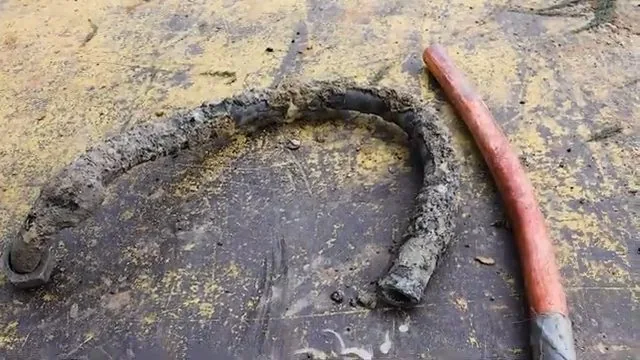
A camera inspection shows pipe condition, roots, sagging sections and offsets. It turns a guess into a picture, and plumbers use it to decide between cleaning and repair. When the camera shows a damaged line, the sewer line repair page explains the next steps.
Same drain clogging again and again?
Ask for a camera look along with the cleaning so the cause is identified.
Drain pipe repair: when cleaning is not enough
A line that clogs repeatedly in the same spot may be damaged. Cast iron pipe corrodes from the inside and builds rough scale. Other materials can sag, crack or separate at joints, and each of those traps debris. Cleaning removes the symptom and leaves the cause.
This page does not claim which drain materials are common in Carefree houses, because no verified local source supports it. Median build year is about 1989 according to city-stats.com, so homes differ. The camera shows what pipe you actually have.
Toilet clogs, tub and shower drains
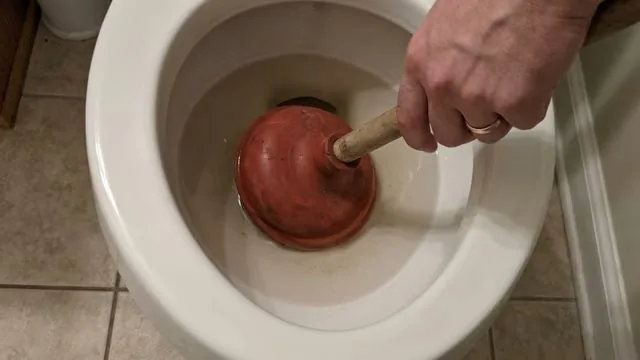
A toilet that does not clear with a plunger usually has a blockage past the trap, and a toilet auger reaches it without removing the fixture. Tub and shower drains clog with hair and soap and respond to a cable or a pull tool. If more than one of these backs up together, the problem is further down the line.
Yard drains and sprinkler lines belong to a different trade, and an irrigation or drainage contractor handles them.
Do not mix chemical drain cleaners, and do not use them in a drain that is completely blocked, since standing chemical water is hazardous to handle and to a plumber who then has to work in it.
Drain questions from Carefree homeowners
What keeps clogging my kitchen drain?
Grease, food scraps and soap residue cool inside the pipe and build a lining that narrows it a little more with each wash. Rinsing hot water down the drain after cooking only pushes the fat further along, where it hardens again. A drain that clogs every few weeks usually has buildup past the trap, which a cleaning that reaches the branch line can remove.
What does a main drain clog look like in a Carefree house?
A main drain clog shows up in more than one place at once: a toilet gurgles when the washer drains, a shower backs up, or water appears at the lowest floor drain. Outer parts of town such as Rio Verde and Desert Hills often differ in how wastewater leaves the property, so confirm whether your house connects to a public sewer. Stop using water and call when more than one fixture is affected.
Hydrojetting or snaking: which one should I pick?
1. Choose snaking for a single soft blockage near a fixture, such as hair or paper. 2. Choose hydrojetting for grease, scale or silt along a longer run. 3. Choose a camera inspection first when the clog keeps coming back. One caution: a pipe that is cracked or collapsed should be repaired rather than jetted, since pressure can widen the damage. A plumber can tell which case applies.
How does hydrojetting work?
A hose with a nozzle goes into the drain through a cleanout. Water under high pressure leaves the nozzle in several jets, which scour the pipe wall while pulling the hose forward. Picture a kitchen line that has been slow for months: after a pass, the plumber pulls the hose back and the water runs freely, and a camera can confirm the pipe wall is clear.
Why is my dishwasher leaking at the air gap?
Water coming out of the air gap on the sink usually means the drain hose or the garbage disposal beyond it is blocked, so the dishwasher cannot empty. Check whether the disposal inlet has been opened after a new install, then clear the hose. If water keeps spilling from the air gap, a plumber can clear the line and check the connection.
Slow drains tend to get worse, not better
Describe what the drain is doing and dispatch can match the right tool.
- Licensed and insured plumbers
- Same-day service when available
- 24/7 emergency dispatch