
Water Heater Installation in Carefree: Sizing, Permits and Venting
Many people expect a new water heater to be a simple swap. The swap is the easy part. Sizing, venting, gas or electrical capacity, a relief line and a permit question all sit behind it. A plumber serving your area handles those details so the new tank works and passes inspection.
- Licensed and insured plumbers
- Same-day service when available
- 24/7 emergency dispatch
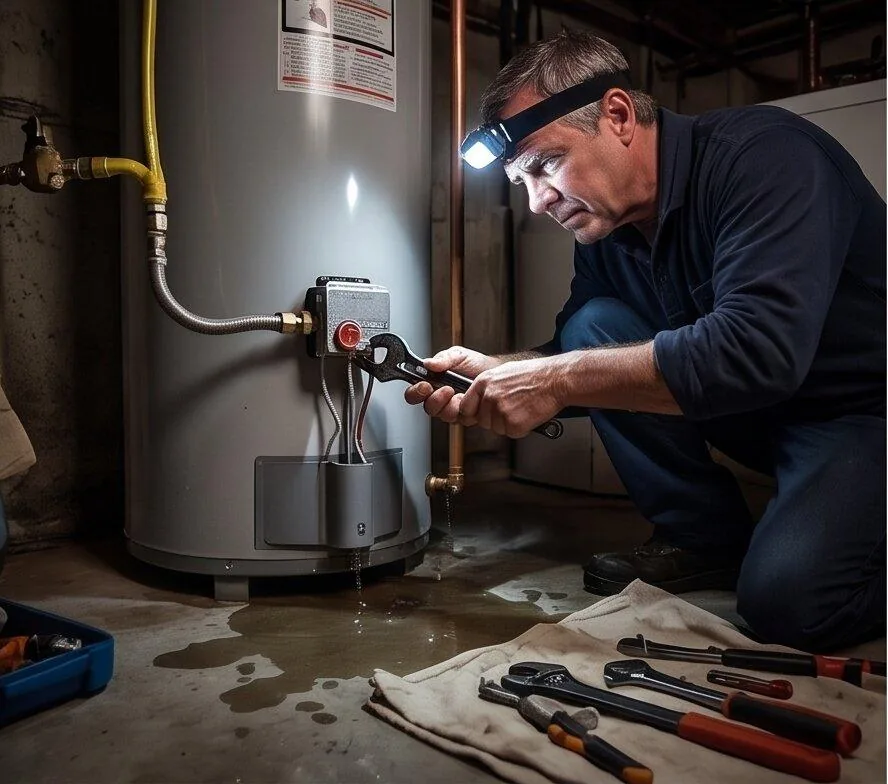
Water heater installation: what the job actually includes
Installing a water heater means more than setting a tank in place. The plumber shuts off and drains the old unit, disconnects it, positions the new one, reconnects water and fuel, adds a relief valve with a discharge line and fires it up. Gas units add a vent connection and a leak check. Electric units add a safe connection to a dedicated circuit.
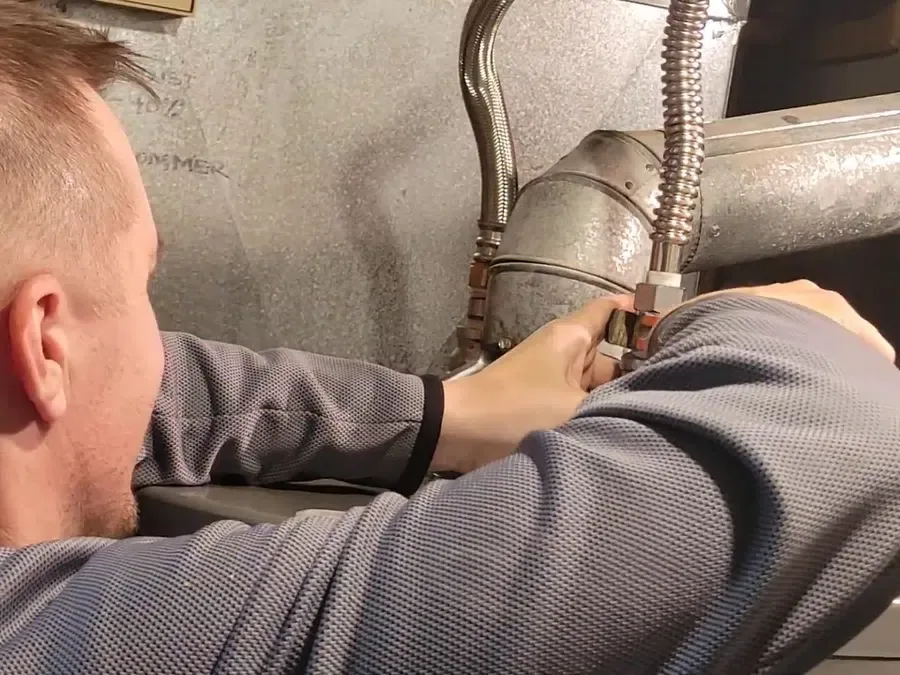
- Old tank drained, disconnected and hauled away.
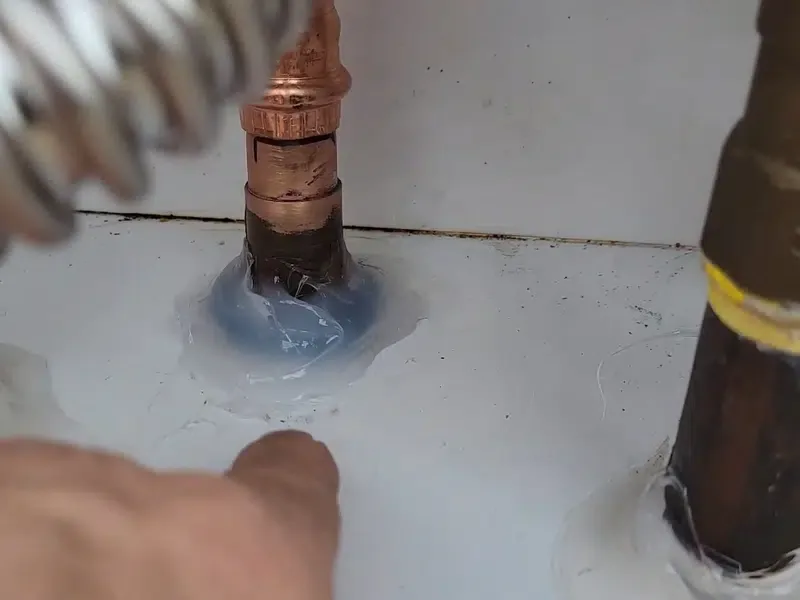
- New unit set level, with a drain pan where needed.
- Water, gas or electric connections made and tested.
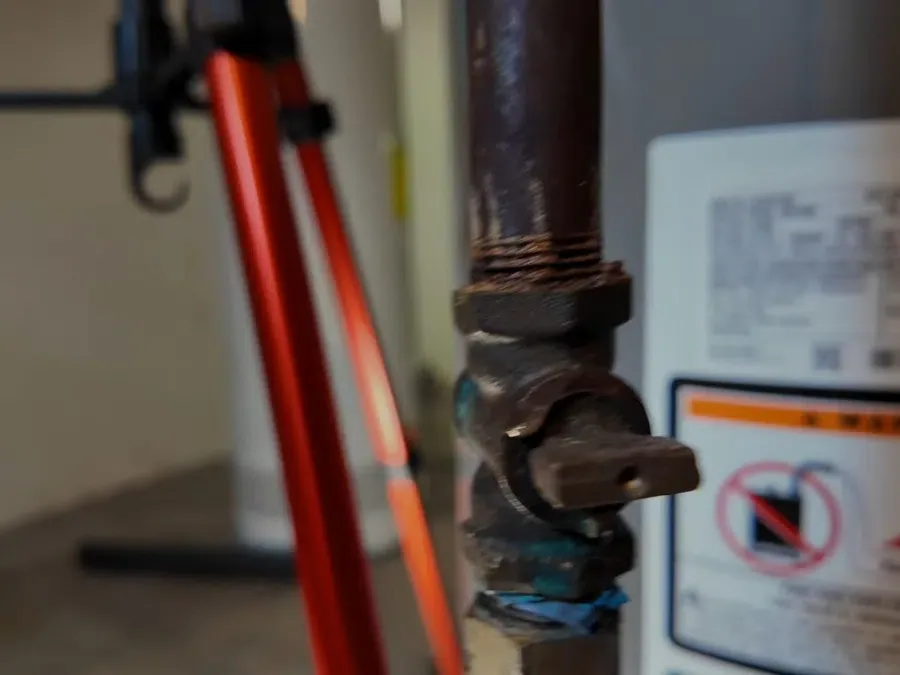
- Relief valve and discharge line installed.
- Venting checked on gas units.
- Temperature set and the unit explained.
Ask for this list in writing. If one item is missing from the scope, ask whether it is not needed or just not mentioned.
Expansion tank, permit and code questions
A closed plumbing system has nowhere to send the extra volume when water heats and expands, so pressure climbs. An expansion tank absorbs it. Whether one is needed depends on whether the house has a check valve or pressure regulator on the supply, and the plumber can test for it.
Permits vary by jurisdiction, and this page makes no claim about what one requires in Carefree. The town's building office at 8 Sundial Circle takes calls on (480) 488-3686 and can say whether a replacement needs a permit and inspection. Ask the plumber who pulls it, and keep a copy.
Tank leaking or past its years?
Call and describe what you have. A plumber can talk through replacement options.
Replacement: gas, electric, hybrid or heat pump
The fuel you have shapes the options. A gas tank can be replaced with a gas tank on the same line, and a switch to electric means new circuits. An electric tank swaps with another electric tank, and a hybrid heat pump unit adds air clearance and a condensate drain. Each has its own installation needs.
| Type | Needs | Watch for |
|---|---|---|
| Gas tank | Gas line, vent, combustion air | Venting and gas line size |
| Electric tank | Dedicated circuit, breaker | Panel capacity |
| Hybrid heat pump | Open air space, condensate drain | Room size and noise |
| Tankless gas | Larger gas line, new vent | Line capacity and venting |
| Point-of-use unit | Small circuit near the fixture | One fixture only |
The tankless water heater page explains that route. Point-of-use and under-sink units serve a single bathroom or bar sink and do not replace a main heater.
Choosing an installer and reading a quote
A good quote names the unit, the capacity, the scope and what happens to the old tank. It states who pulls any permit. It lists exclusions such as drywall repair or panel upgrades. Two quotes that differ in price often differ in scope, so compare the lines rather than the total.
Licensed and insured plumbers do the work, and license details are available on request. Ask whether the plumber who quotes is the plumber who installs.
Sizing in gallons, and why bigger is not always better
A tank that is too small runs out. One that is too large wastes energy keeping extra water hot and takes more room. Match capacity to the number of people and the biggest hot-water events, such as a large tub. If your current tank has never run out, the same size is usually the right size.
Not sure what size or type fits?
Ask. A plumber can compare your current setup with what you want.
When a flood or leak forces the replacement
A leaking tank body cannot be repaired, so replacement follows. Shut off the cold supply, turn off the fuel or breaker and contain the water. After the unit is out, the room should be dried. The water heater repair page helps decide whether a problem is a part or the tank.
A gas water heater must be vented properly. If a new installation smells of gas or the pilot keeps blowing out, turn off the gas supply and call your gas utility from outside.
Water heater replacement questions
How big a water heater does a Carefree home need?
Size follows peak demand, meaning how much hot water the household uses in its busiest hour. One bathroom and two people need far less storage than a full house with several showers, a soaking tub and a dishwasher running together. The capacity printed on your current tank is a reasonable starting point, and a plumber can adjust it up or down based on how your household actually uses hot water.
How do I choose an installer or company for a water heater?
Ask who will do the work, whether that plumber is licensed and insured, and whether the job includes the permit, the haul-away of the old tank and a written scope. License details are available to any caller on request. A plain, itemized scope in writing is a better sign than a low number given over the phone.
Tank or tankless: which makes sense for my house?
A tank stores hot water and costs less to install, but it takes space and can run out. A tankless unit heats on demand and can supply long showers, but it needs the right gas line size or electrical capacity and a venting plan. Choose a tank when the existing connections fit and space is no issue. Choose tankless when space is tight or the household uses hot water in long stretches. The tankless page covers that route in more detail.
Do I need a plumber for a water heater installation?
Yes for gas units, where the gas line, venting and combustion air all matter, and in practice for electric units too, since wiring, relief valves and local permit rules apply. Installation mistakes tend to show up as leaks, poor performance or safety problems. Ask the plumber whether a permit applies, and call the town's building office if you are unsure.
My water heater flooded the room. What now?
Shut off the cold water supply to the tank, turn off the gas or the breaker, and stop water from spreading by pulling up soaked rugs. Then call. Replacement is the usual outcome when the tank wall has failed. Wet drywall or flooring needs prompt drying, which is covered under water damage removal.
Plan the swap before the tank fails
Tell dispatch what you have now and what you want, and a plumber can scope the job.
- Licensed and insured plumbers
- Same-day service when available
- 24/7 emergency dispatch