
Water Softener or Filter? Testing First, Then the Right System
People often buy a softener to fix a taste, or a filter to fix spots on glass. Those are different problems with different equipment. Start with what you notice, test your water, and then pick the system. A plumber serving your area can install, repair and service what you choose.
- Licensed and insured plumbers
- Same-day service when available
- 24/7 emergency dispatch
Hard water signs and testing
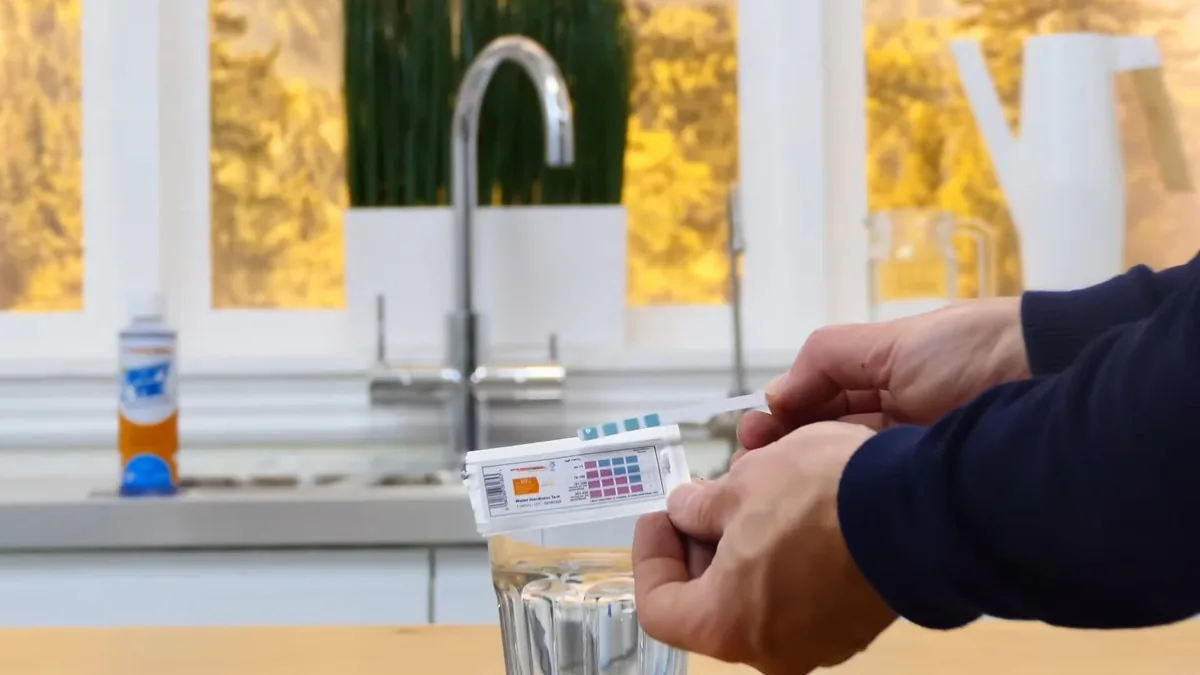
Spots on glass, scale on faucets, stiff laundry and a film in the shower are the usual signs. The town water company's 2023 report describes mostly Central Arizona Project supply with some groundwater, and it states no hardness number. Nothing is published here for that reason. A test at your tap shows your actual reading.
- White crust on faucets and shower heads
- Spots on dishes after the dishwasher
- Soap that does not lather well
- Scale inside the water heater
- Dry skin after showering
Water softener repair and service
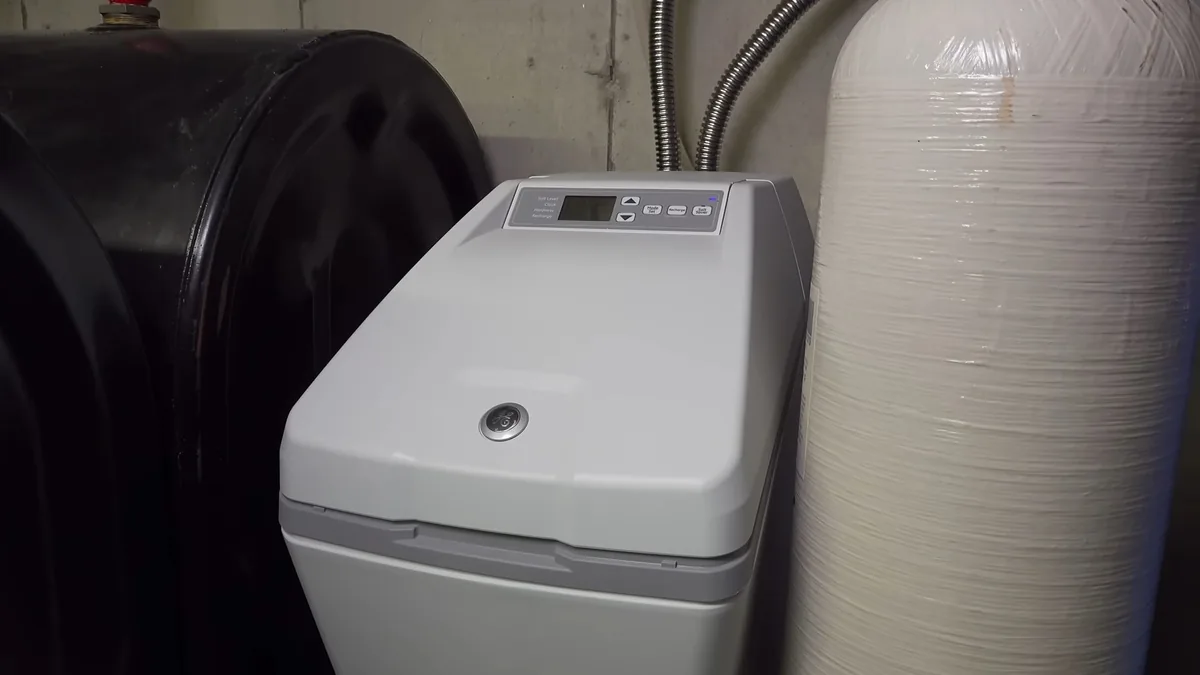
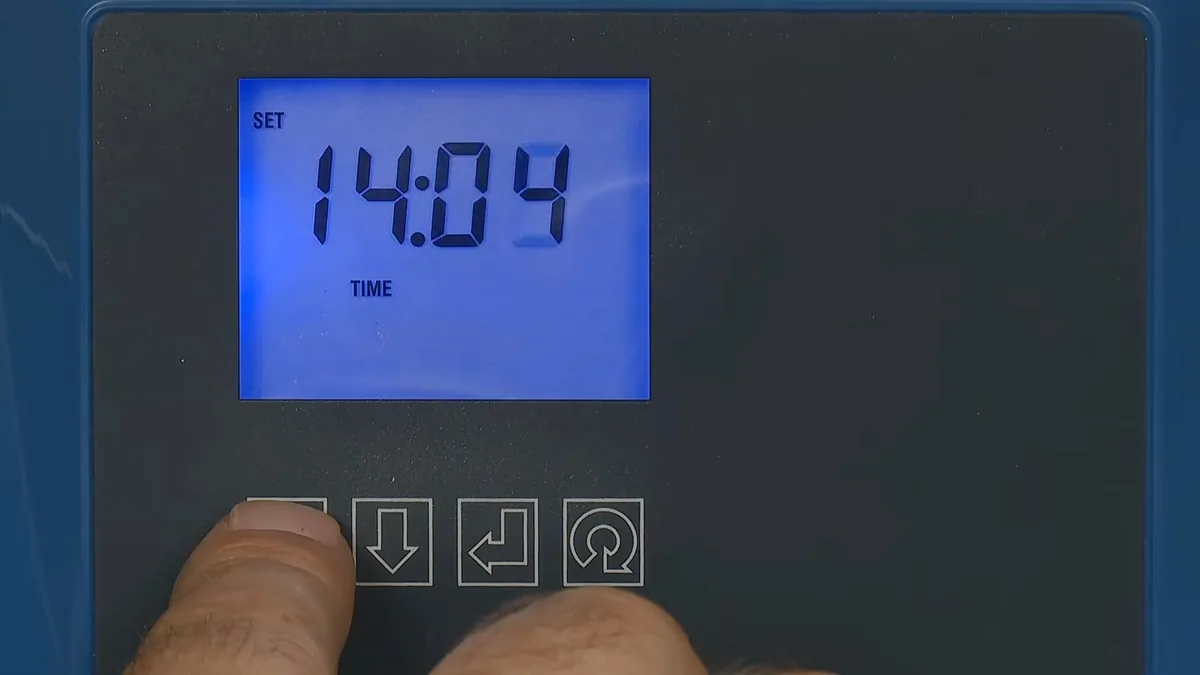
Softeners fail at the control valve, the brine tank, the resin bed or the drain line. Common complaints are hard water returning, salt that bridges and will not dissolve, a brine tank that overflows and a unit that never regenerates. A plumber checks salt level, bypass position and valve settings first, since many problems are simple.
| Problem | Likely cause | What a plumber checks |
|---|---|---|
| Hard water returns | Spent resin or valve fault | Regeneration cycle |
| Salt bridge | Humidity or wrong salt | Brine tank |
| Overflowing brine | Float or drain issue | Drain line, float |
| No regeneration | Power or timer fault | Control head |
| Salty taste | Brine draw problem | Valve and injector |
Softener not softening?
Call and describe the symptom. A plumber can check the settings first.
Softener installation
A new softener needs a spot with power nearby, a drain for the regeneration water, a bypass valve and room for the brine tank. The plumber connects the inlet and outlet, sets the hardness, runs a first regeneration and confirms flow. Ask where the discharge goes, since some areas restrict where softener drain water can be sent.
Reverse osmosis and drinking water filters
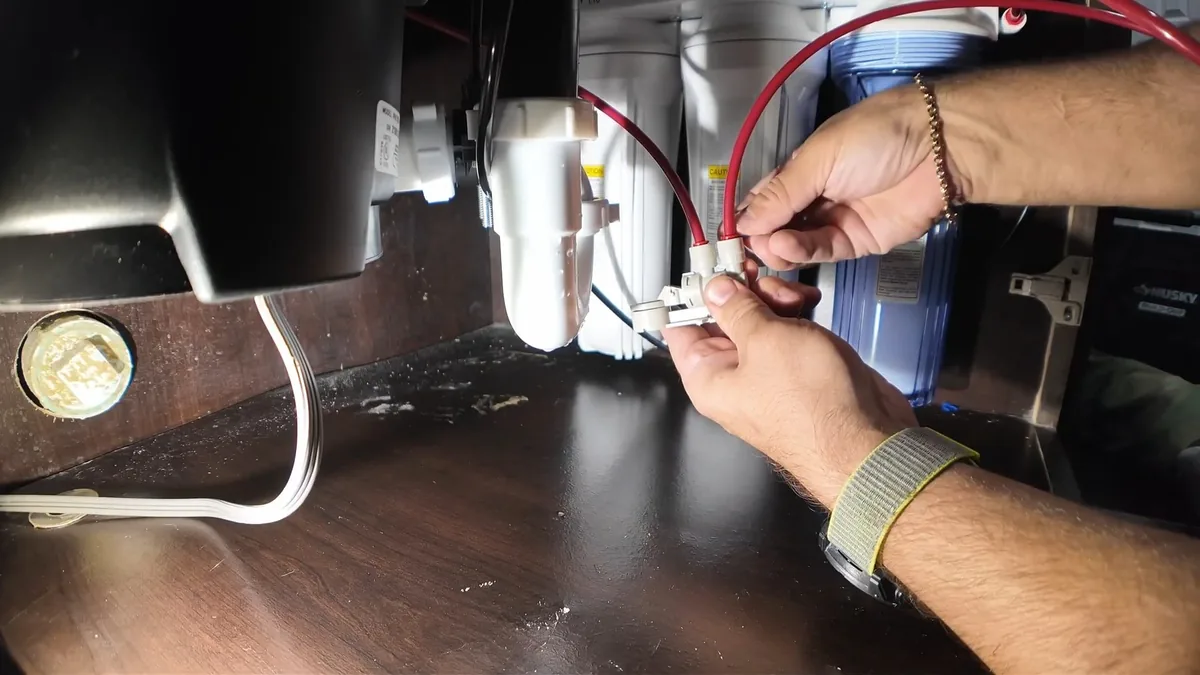
A reverse osmosis unit under the kitchen sink filters drinking and cooking water through a membrane and stores it in a small tank. It needs a separate faucet and a drain saddle. Under-sink carbon filters cost less and reduce taste and odor but do not remove dissolved minerals the way reverse osmosis does.
Want filtered drinking water?
Ask what fits under your sink. A plumber can plan the install.
Whole-house filtration
A whole-house filter treats water at the point where it enters the building. Sediment filters catch grit, and carbon filters reduce chlorine taste. They need periodic cartridge changes, and low-flow rooms may show a pressure drop if the filter is undersized.
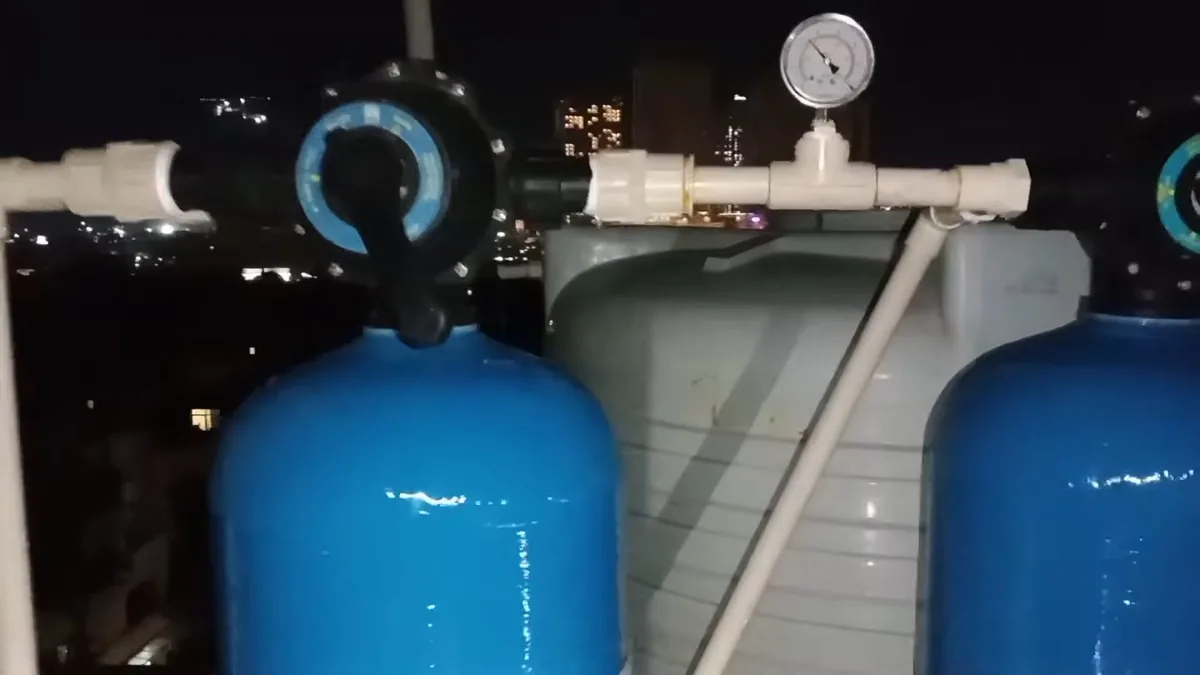
Choosing between a softener and a filter
Hardness and taste are separate problems. A softener removes the minerals that leave scale, and a filter removes what you can taste or see. Many homes need only one. Others pair a whole-house softener with an under-sink drinking filter so cooking water tastes clean as well.
Ask the plumber to explain what each piece of equipment does and what it does not do. A clear answer is a better sign than a promise that one unit fixes everything.
Water treatment and conditioning
Conditioners that claim to reduce scale without salt exist, and results vary. Ask the seller for independent test data, and treat claims with care. If scale is the main concern, compare the options against a softener using your own water test.
Salt, brine and regeneration are the maintenance routine for a standard softener. Keep the brine tank at least a quarter full of the salt type the manufacturer lists, and clean the tank when sludge builds up.
If a softener or filter leaks near the electrical outlet or controller, shut off the water supply to the unit and unplug it before you touch anything.
Softener and filtration questions
Can a softener repair affect my refrigerator water line?
A softener and a fridge line share the cold supply, so a valve or fitting change can affect both. After softener work, the fridge filter and line may need a flush. Ask the plumber to check the shutoff and fittings to the refrigerator when the softener is serviced.
What is water treatment or conditioning?
Treatment covers any equipment that changes the water: softeners that swap hardness minerals for sodium or potassium, carbon filters that reduce chlorine taste, sediment filters and reverse osmosis units. Conditioners are marketed as scale reducers without a salt cycle. A water test shows what you need before you buy.
What affects the price of a softener or filter?
Factors include the system type, capacity, the plumbing changes needed to fit it, a drain connection for regeneration and whether power is nearby. The test result matters too, since a household with moderate hardness may not need the largest unit. Ask for the scope in writing.
How do I choose between a softener and a filter?
A softener addresses hardness. A filter addresses taste, odor or sediment. They solve different problems, and many homes use both. Start with a water test and decide from the results.
Can a softener valve be replaced or reinstalled?
Yes. Control valves wear out and can be replaced without replacing the tank. A reinstall after a move or remodel needs a plumber to reconnect the bypass, the drain and the brine line, then run a regeneration cycle to confirm everything works.
Test the water before you buy equipment
Ask dispatch about a test and a visit, and a plumber can match equipment to what the test shows.
- Licensed and insured plumbers
- Same-day service when available
- 24/7 emergency dispatch