
Emergency Gas Line Repair When You Smell Gas or See Damage
Smell gas? Leave the building first and call from outside. That one step comes before any repair, estimate or phone tree. Once the gas utility has controlled the supply, a plumber serving your area locates the failed pipe or fitting, repairs it and tests the line.
- Licensed and insured plumbers
- Same-day service when available
- 24/7 emergency dispatch
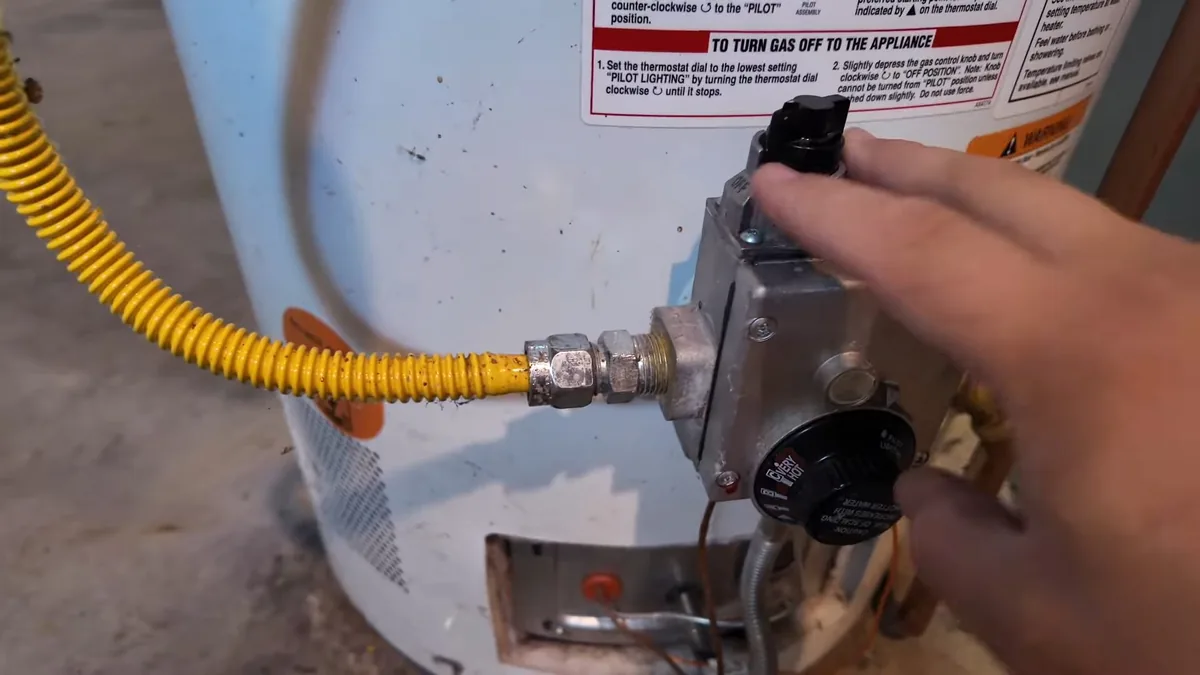
At any smell of gas, leave the building now. Do not use switches or the phone inside. From outside, call your gas utility or 911. Do not re-enter until it is cleared.
Gas line repair: finding and fixing the leak
A gas line leak comes from a failed fitting, corroded pipe, a damaged flexible connector or a line struck during digging. The plumber shuts off supply, locates the leak with detection solution or an electronic sniffer and replaces the bad part. Then the line is pressure tested before gas is restored.
- Rotten-egg smell near an appliance or the meter
- Hissing sound near a pipe
- Dead plants over a buried line
- Pilot lights that keep going out
- Higher gas bills with no change in use
Any one of these deserves a call. Several together suggest a leak that should be treated as urgent.
Smelled gas and gotten everyone out?
Call from outside. A plumber can plan the repair once the utility clears the home.
Gas pipe replacement: black iron and CSST
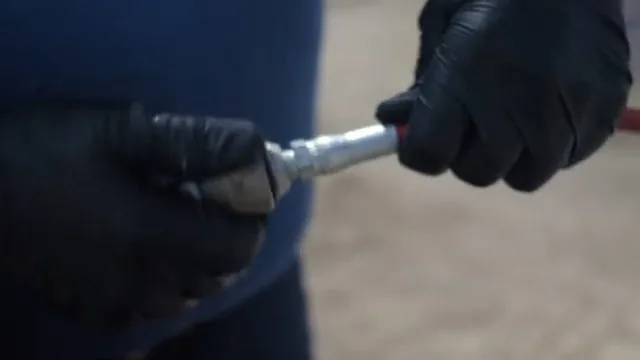
Black iron pipe is rigid threaded steel. CSST is flexible stainless tubing with a plastic jacket. Each has its own installation rules, including bonding for CSST, and each fails in different ways. A plumber chooses the material for the route and what the manufacturer requires.
| Pipe | Strength | Watch for |
|---|---|---|
| Black iron | Rigid, long record | Corrosion at joints |
| CSST | Flexible, fast to route | Bonding and sharp bends |
| Flexible appliance connector | Short final link | Kinks and age |
| Underground gas line | Buried supply | Locating before digging |
Gas line installation: new appliances and routes
New gas lines serve ranges, dryers, fireplaces, grills and outdoor appliances. The plumber sizes the pipe to the appliance load, routes it, adds shutoff valves, then tests before connecting. Gas line size matters, because an undersized line starves appliances when several run at once.
Permits for gas work usually go through the building department. Ask the town building office whether your project needs a permit, and ask the plumber who pulls it.
Adding a gas appliance?
Describe it and where it goes. A plumber can plan the line.
Appliance hookups and propane
A gas range, dryer or outdoor grill needs a shutoff valve at the appliance and a connector of the right type. If the home uses propane, the tank, regulator and line follow different pressure rules than natural gas. Ask which fuel your home has before planning any work, since fittings are not interchangeable.
What happens on a gas repair visit
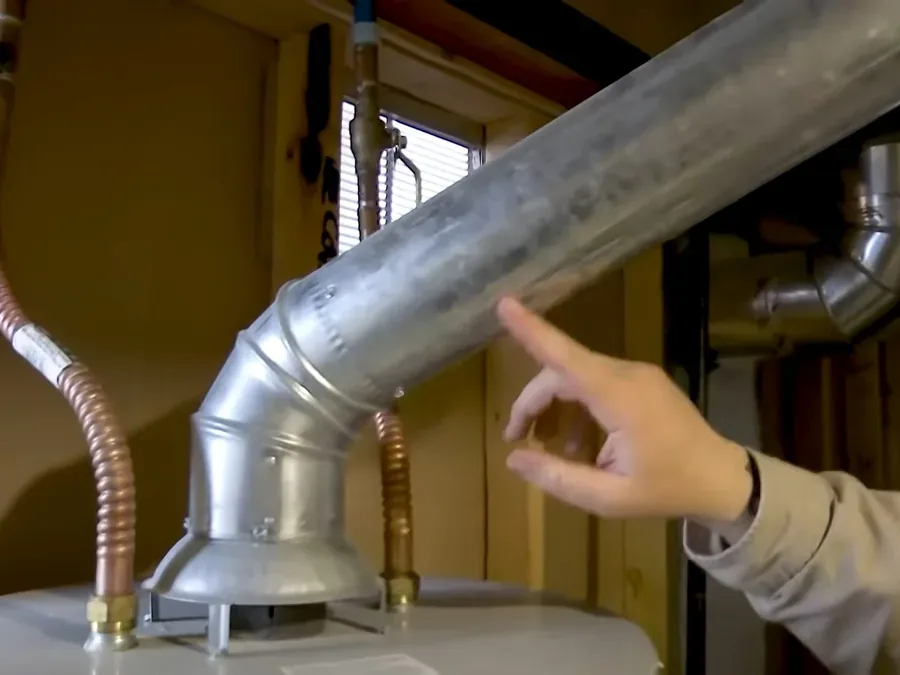
- The plumber confirms the supply is off and the area is ventilated.
- Appliances on the affected line are isolated and checked.
- The leak is located and the failed part is removed.
- New pipe or fittings go in with approved sealant for gas.
- The line is pressure tested and checked with leak solution.
- Appliances are relit and the plumber explains what was done.
Ask for a note of the test result and the parts replaced. A written record helps if the building department or an insurer asks later, and it helps the next plumber who works on the same line.
Inspection and pressure testing
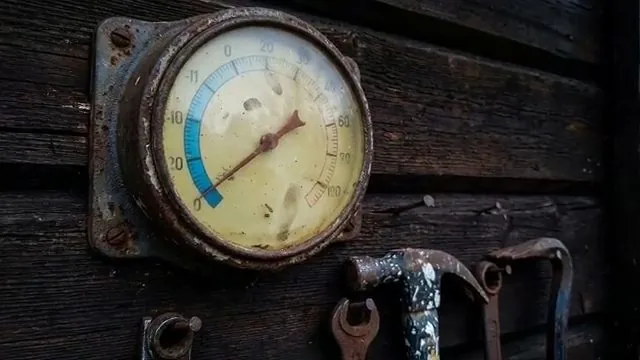
A gas pressure test confirms the line holds. The plumber caps the line, applies a set pressure and watches the gauge. A drop means a leak, which the plumber then locates. Testing is common after a new line goes in, after repairs, and when a home changes hands and the owner wants confirmation.
After a water heater swap, the gas line may need changes to match the new unit. See water heater replacement for what to ask before the old tank leaves.
Gas line questions
What should I do if I smell gas in my house?
Leave the building right away and take everyone with you. Do not flip switches, use the phone inside or light anything. From outside, call your gas utility or 911. Do not go back in until the utility or fire crew says it is safe. A plumber can repair the line once the leak is controlled.
Who fixes a gas leak, the utility or a plumber?
Your gas utility responds to an emergency and shuts off supply at the meter when needed. A plumber repairs or replaces the piping on the house side after the meter. Calls overlap in practice, so contact the utility first for any smell of gas and a plumber for the repair.
Does a new water heater need gas pipe work?
Sometimes. A replacement unit with a different input rating, a new location or a different connector may need the gas line resized, a new shutoff or a drip leg. Ask the installer whether the existing pipe meets the new unit's requirements before the old tank comes out.
What does a gas line inspection or pressure test involve?
The plumber shuts off supply, caps the line and pressurizes it with a gauge, then watches for a drop that signals a leak. Fittings are also checked with leak-detecting solution. The test runs before appliances are connected to a new line or after repairs.
Gas work needs a tested line
Once everyone is outside and safe, call dispatch to schedule the repair.
- Licensed and insured plumbers
- Same-day service when available
- 24/7 emergency dispatch