
Emergency Slab Leak Detection When the Floor Turns Warm or Damp
When you call about a possible slab leak, the plumber starts with the signs you can see and a meter test, then works toward the exact spot under the floor before any concrete is touched. Plenty of homes have no slab at all, so confirming the foundation comes first.
- Licensed and insured plumbers
- Same-day service when available
- 24/7 emergency dispatch
Confirm what your home is built on first
Before treating a symptom as a slab leak, confirm the foundation. Homes sit on concrete slabs, raised floors over a crawlspace or other arrangements, and the repair path differs for each. The deed, the original plans or a quick look from outside can settle it, and a plumber can confirm it on arrival.
This page makes no claim about what a typical Carefree house sits on, because no verified local source supports one. The median home here was built around 1989, according to U.S. Census ACS figures reported by city-stats.com, so houses range widely in age and design. Treat your own house as the only evidence that counts.
Warm floors, water sounds and a moving meter: locating the leak
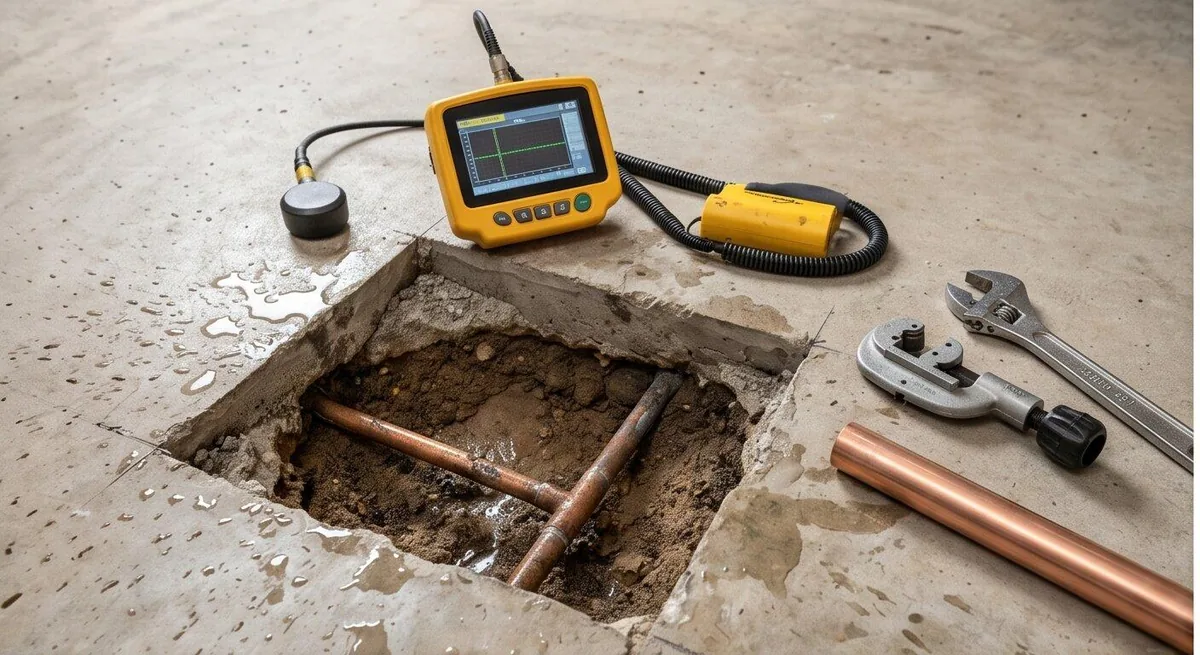
Detection works from the outside in. The plumber confirms that water is leaving the system, then narrows the location. Isolating one line at a time shows which branch is losing pressure. Listening equipment follows that branch across the floor and picks up the sound of escaping water. A leak under a hot water line may also show as a warm spot, and thermal imaging can confirm it without touching the floor.
| What you notice | What it can mean | Next step |
|---|---|---|
| Floor warm in one spot | Hot water line leaking beneath | Close the water heater supply and call |
| Running water sound, all fixtures off | Pressurized line losing water | Read the meter, then call |
| Flooring lifting or damp patch | Water has reached the surface | Close the main valve and call |
| Water bill climbing, nothing wet | Slow loss in a concealed line | Run the meter test and call |
| Low pressure at far fixtures | Large loss ahead of them | Call and report the fixtures affected |
- Turn off every tap and appliance, then watch the meter.
- Feel floors barefoot in the morning for warm patches.
- Note which rooms hold the damp or warm spots.
- Keep furniture and rugs off any wet area.
Floor warm or water running with nothing on?
Close the main valve and call. A plumber can start by testing the lines.
Slab leak repair: reroute, spot repair or replace
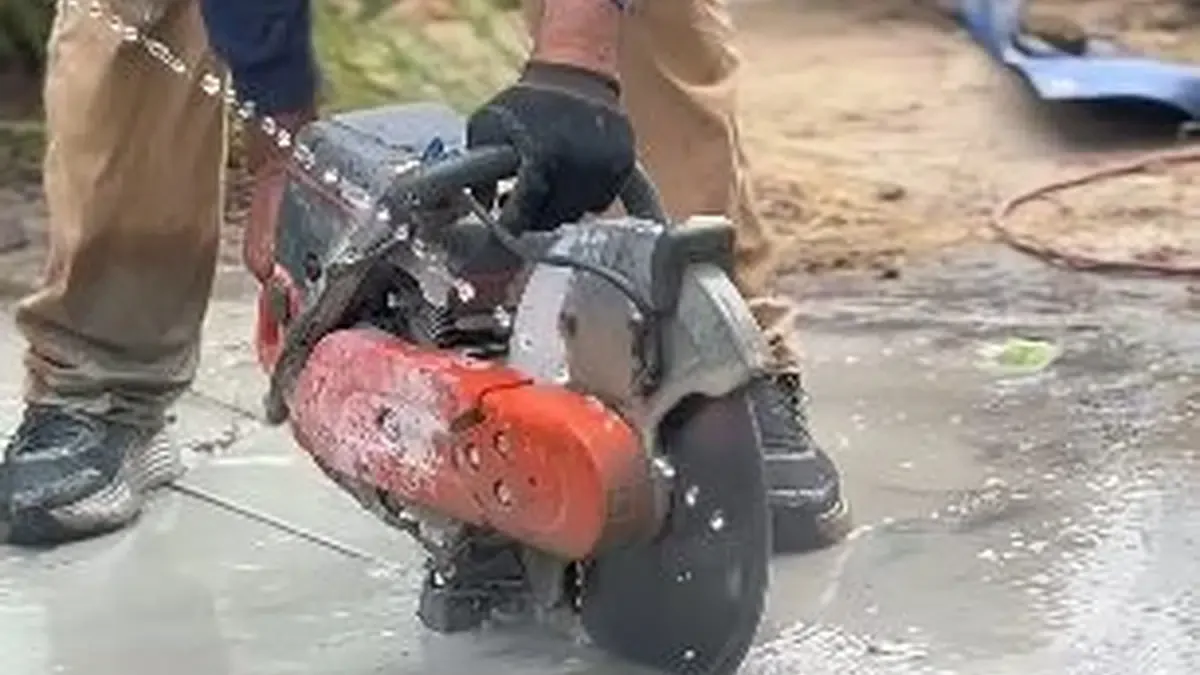
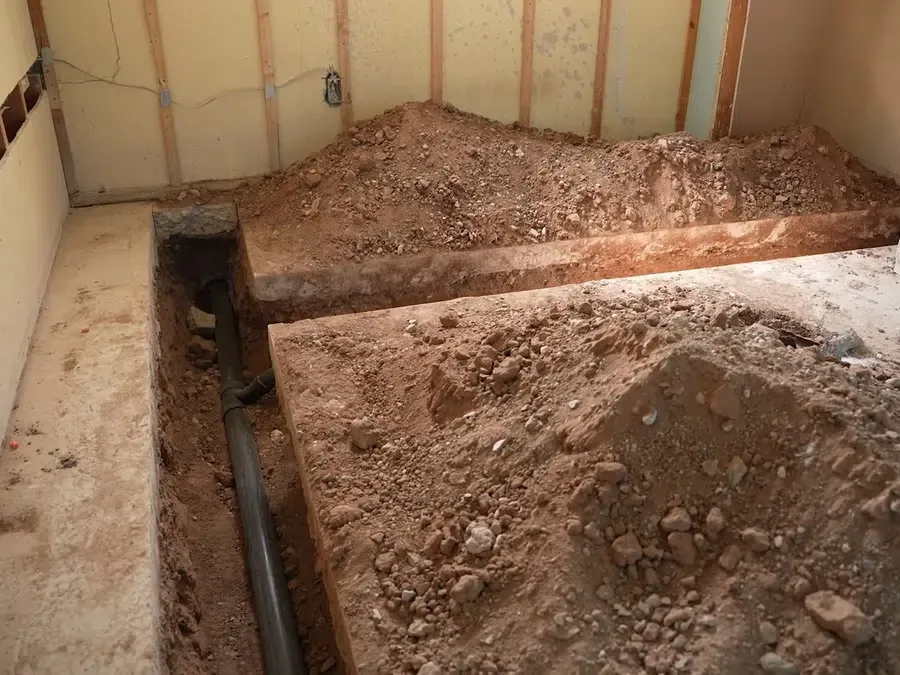
Once the leak is located, three paths exist. A spot repair opens the slab over the leak, replaces a short section and closes the floor. A reroute abandons the damaged line and runs new pipe overhead through walls or the attic. A replacement covers a whole run or the house when the pipe is failing in several places.
The right choice depends on how many leaks there are, how accessible the line is and what the floor is made of. A plumber should state which path fits, why, and what flooring has to come up. Spot repair is quickest when there is one leak. Rerouting costs more up front but avoids breaking concrete again if the pipe is worn throughout, which is where the whole-house repiping page helps.
Is the concrete the problem or the pipe?
A homeowner often wonders whether a cracked slab is the cause. In most cases it is not, since the pipe fails first and then wets the ground beneath. Pipe wears from the inside, from the outside against concrete and from pressure changes. The plumber looks at the pipe and its surroundings, and a structural question belongs to a structural professional.
Soil and drainage can matter, but this page offers no local soil claim because no verified source for Carefree was found. If cracking in walls or floors accompanies a leak, mention it on the call so the plumber can note it for the homeowner.
Not sure it is a slab leak?
Describe the signs. Dispatch can tell you which checks to run before a visit.
Insurance, methods and what to document
Insurance coverage for slab leaks varies by policy, and a plumber cannot say what a given policy pays. Document before and during the work: photographs of the floor, the meter readings, and any written findings from the plumber. These help with a claim and with the plumber reviewing the repair path.
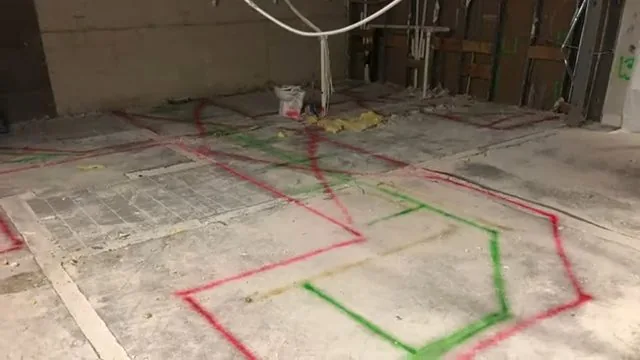
Methods such as tunneling under the slab, rerouting, epoxy coating and pipe lining exist, and each suits particular conditions. Ask which one is proposed, how long the work is expected to take and whether it is permitted for your home.
Water near outlets, appliances or the electrical panel is a shock risk. Stay clear, turn power off at the panel only if the area around it is dry, and call a licensed electrician if the panel is wet.
Slab leak questions from Carefree homeowners
How do I know if I have a slab leak?
A slab leak sits under a concrete floor, so the signs show up on the surface: a warm patch on the floor, the sound of running water when everything is off, a meter that keeps moving, or a damp spot on flooring that never dries. One sign alone can have other causes. Two or three together, plus a moving meter, make a slab leak worth testing for. First confirm what your home is built on, since not every house has a slab.
What does a slab leak look like from inside the house?
Most often it looks like nothing at first. Later come lifted laminate or wood planks, a carpet that stays damp in one spot, grout lines that darken, or a floor that feels warm underfoot when a hot water line is the one leaking. What can wait: a faint damp spot with the meter still. What cannot: warm floors, loud water sounds or a bill that keeps climbing.
Can I fix a slab leak without a plumber?
Yes. A slab leak cannot be repaired from above without locating the pipe, and guessing at the spot means breaking concrete twice. A plumber can test lines, mark the leak position and explain the options before anything is cut. If you see water on the floor, close the main valve first and call.
What are the early warning signs of a slab leak, and when should I call?
Early signs are small: a bill that edges up without a reason, a hot water heater that runs more than it used to, or a faint hissing near a wall. Call at the first moving meter reading with everything off, rather than waiting for floor damage. Early detection usually means fewer floor materials to replace afterward.
A hidden floor leak is easier to fix early
Describe what you see and dispatch can start with a meter test.
- Licensed and insured plumbers
- Same-day service when available
- 24/7 emergency dispatch