
Emergency Repiping for Pinhole Leaks, Bursts and Worn Supply Lines
A pinhole leak in one pipe raises a bigger question: is this one failure or the first of many? The answer decides between a spot repair and a repipe. A plumber serving your area can read the pipe material, the age of the house and the pattern of past leaks, then lay out both options.
- Licensed and insured plumbers
- Same-day service when available
- 24/7 emergency dispatch
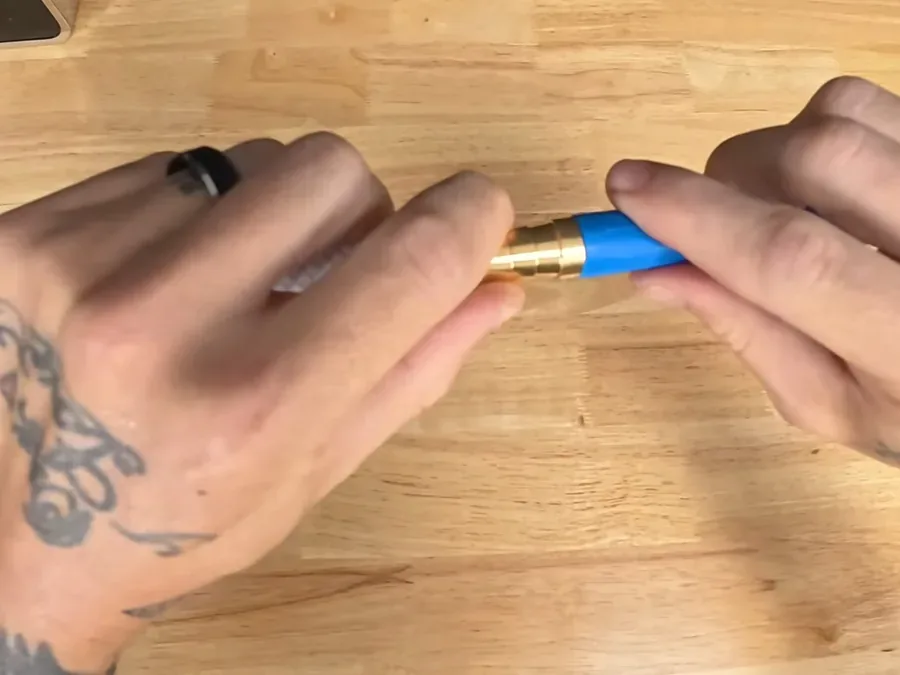
Repiping a whole house: when repair stops making sense
Whole-house repiping replaces the supply lines that carry water to every fixture. It makes sense when the existing material has reached the end of its life, when leaks keep appearing in new places or when water quality and pressure have dropped through the house. A single leak alone rarely justifies it.
Carefree's median home was built around 1989, according to the American Community Survey data compiled by city-stats.com. That puts many houses in a period when several supply materials were in use, so confirm what you actually have before deciding anything. The plumber identifies the material at an access point.
| Material | How to spot it | Common concern |
|---|---|---|
| Copper | Reddish brown, soldered joints | Pinholes from the inside |
| Galvanized steel | Gray, threaded, magnetic | Corrosion, low flow, rust |
| Polybutylene | Gray, blue or black plastic | Failure at fittings |
| PEX | Flexible, red, blue or white | Damage from UV or pests |
| CPVC | Cream or yellow rigid plastic | Brittleness with age |
Pipe repair: spot fixes that hold
Cast iron and PVC are mostly drain materials, while CPVC carries hot and cold supply. Mixed materials are common in older homes. Premature wear on plumbing components, such as corroded fittings or brittle connectors, often shows up first at joints. Plumbing system repiping is the answer when that wear is widespread, and a spot repair is the answer when it is not.
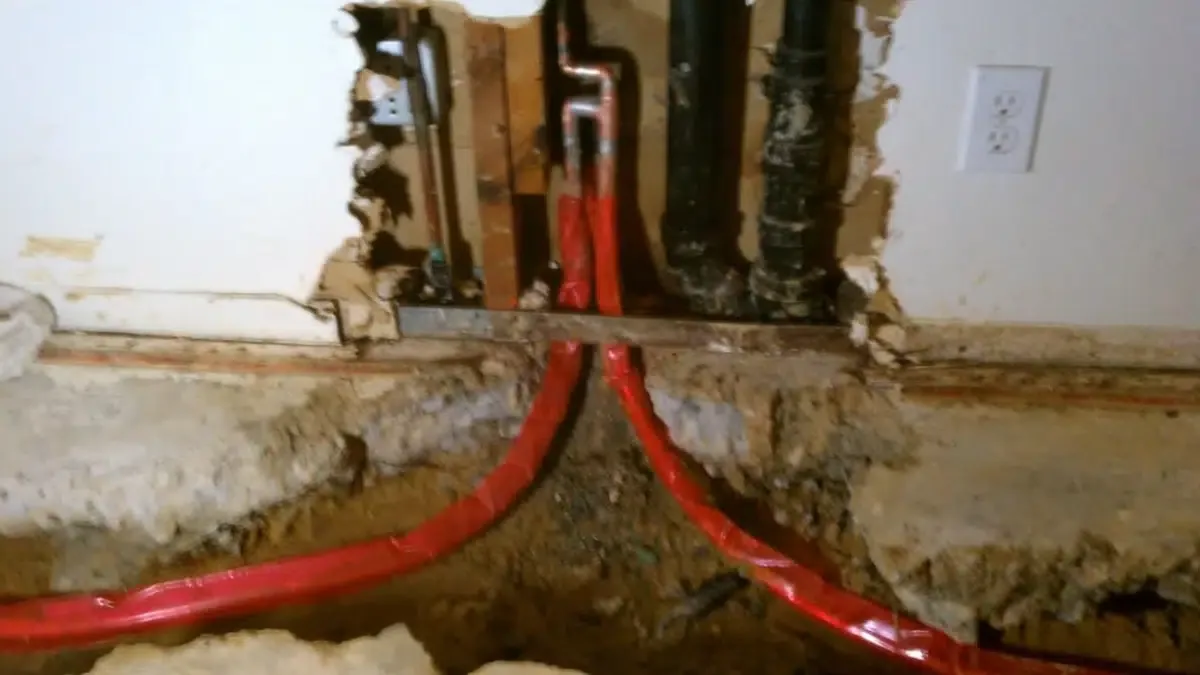
When the damage is local, a plumber cuts out the bad section and splices in new pipe with proper fittings. That is a repair that lasts when the rest of the line is sound. It is a weaker choice if the neighboring pipe is thin, because the next leak shows up a few feet away.
- Pinhole in copper: cut out and replace the short section.
- Burst from a freeze or pressure spike: replace the split segment and check the fittings.
- Leak at a joint: remake the joint, then test pressure.
- Leak under a slab: see the slab leak page before any digging.
Pipe leaking right now?
Shut off the main, then call. A plumber can start the repair plan.
Pipe replacement for a single run
Sometimes one branch is bad and the rest is fine, such as the line to a bathroom or the kitchen. Replacing that run costs less in scope than a whole-house job and still ends the repeat leaks on that branch. Ask the plumber to describe which sections were checked and why they were left alone.
Copper repiping and its alternatives
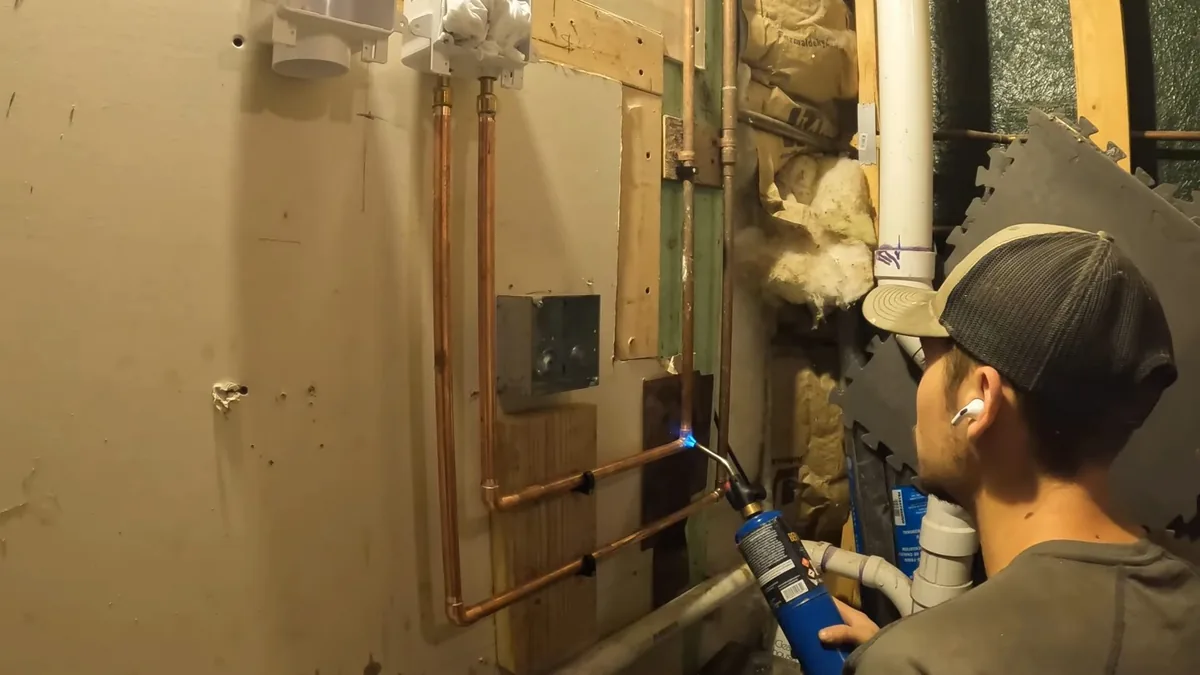
Copper has a long record in Arizona homes, but water chemistry can wear it from inside, which shows up as pinholes. Replacement options include new copper, PEX and CPVC. Each has handling rules, and the right choice depends on the layout, the budget and what the building department accepts. Ask the plumber to explain the trade-offs in plain terms.
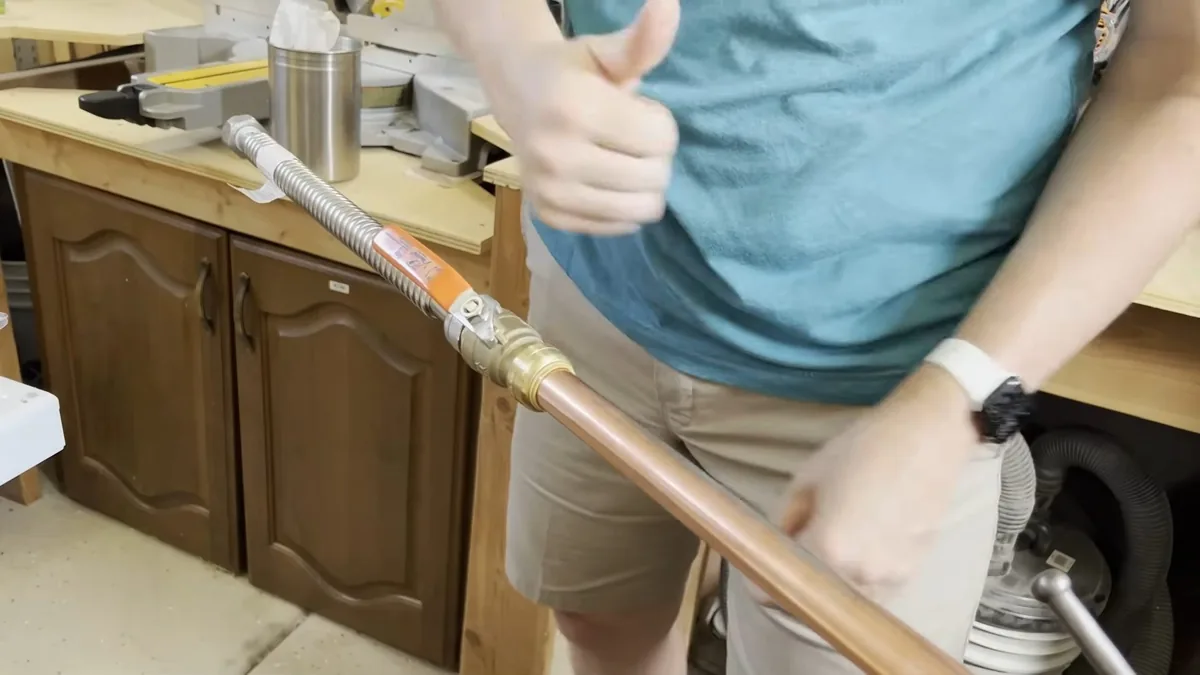
Whether a repipe needs a permit is a question for the town's building office at (480) 488-3686. This page does not claim an answer, since rules change.
Burst pipe: first steps and what follows
- Shut off the main water valve.
- Open a faucet at the lowest point to drain the line.
- Turn off the breaker for wet areas if you can reach it safely.
- Move furniture and valuables away from the water.
- Call dispatch, and photograph the damage.
Once the pipe is fixed, wet drywall, flooring and insulation need drying within about a day or two to limit mold, according to EPA guidance. The water damage removal and drying page covers that stage.
Water spreading through the house?
Call now. A plumber can stop the leak and start the repair.
Older pipe types: galvanized and polybutylene
Galvanized steel rusts from the inside, narrows over time and often leaves low pressure at far fixtures. Polybutylene, a gray plastic used from about 1978 to the mid-1990s, was installed in up to 10 million American homes, according to the National Association of Certified Home Inspectors. Many houses in that age range may have a mix of materials, so a plumber should confirm what is actually in the walls.
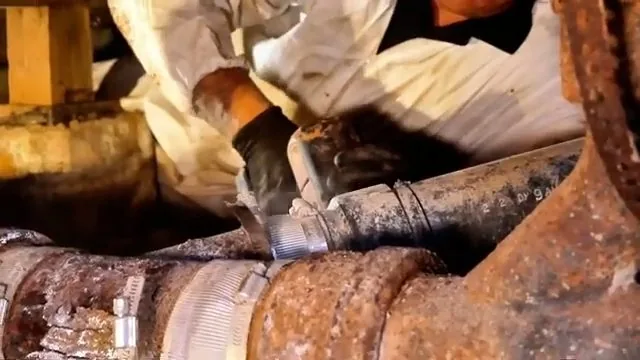
Pipes under a slab are a separate case. This site does not state which materials run under any particular Carefree home, so confirm what you have first. The slab leak page explains how an under-slab leak is found.
For a frozen pipe, the homepage carries the freeze and thaw note.
If a burst pipe sprays near electrical panels or outlets, stay away from the area and leave the power off until a plumber confirms it is dry and safe.
Repiping and burst pipe questions
Does a house with galvanized pipes need a repipe?
Not always right away, but galvanized steel corrodes from the inside, so flow drops and rust-colored water appears as the years pass. Once leaks start showing up in more than one spot, patching tends to chase the problem around the house. A plumber can look at pressure, pipe condition and the number of past repairs and tell you whether repair or repipe fits.
What does galvanized pipe look like inside a house?
Look at exposed pipe near the water heater or under a sink. Galvanized pipe is dull gray, threaded at the joints and attracts a magnet. Copper is reddish brown and plastic comes in white, cream, blue or red. If the pipes are hidden behind walls, a plumber can check at an access point.
What are the first steps when a pipe bursts?
Shut off the main water valve first. Open a faucet at the lowest point to drain what remains, switch off power near any wet outlets and move belongings out of the water's path. Then call dispatch. Photograph the damage before cleanup for any insurance claim.
Where is the exhaust pipe on my water heater?
That depends on the unit, and a vent is not part of the repiping scope. Gas water heaters vent through a flue pipe that rises through the roof or exits a wall, and a plumber can trace it. If you smell exhaust or see rust at the vent, treat it as a safety problem and call.
Is a pinhole leak a sign that all my pipes are failing?
One pinhole can be isolated, but several within a short time usually mean the pipe wall is thinning in general. Ask the plumber where the leaks sit and what material the pipe is. The answer decides between a spot repair and replacing a section or the whole run.
Stop the leak, then plan the fix
With the main closed and dispatch on the line, a plumber can talk through repair or repipe.
- Licensed and insured plumbers
- Same-day service when available
- 24/7 emergency dispatch