
Running Toilet, Dripping Faucet or Leaking Shower? Fixes in Carefree
Most fixture problems announce themselves the same way: a drip, a hiss, a toilet that never quite stops. The fix is rarely dramatic, but it is easy to waste a weekend on the wrong part. A plumber serving your area can tell a worn washer from a failing valve and handle both in one visit.
- Licensed and insured plumbers
- Same-day service when available
- 24/7 emergency dispatch
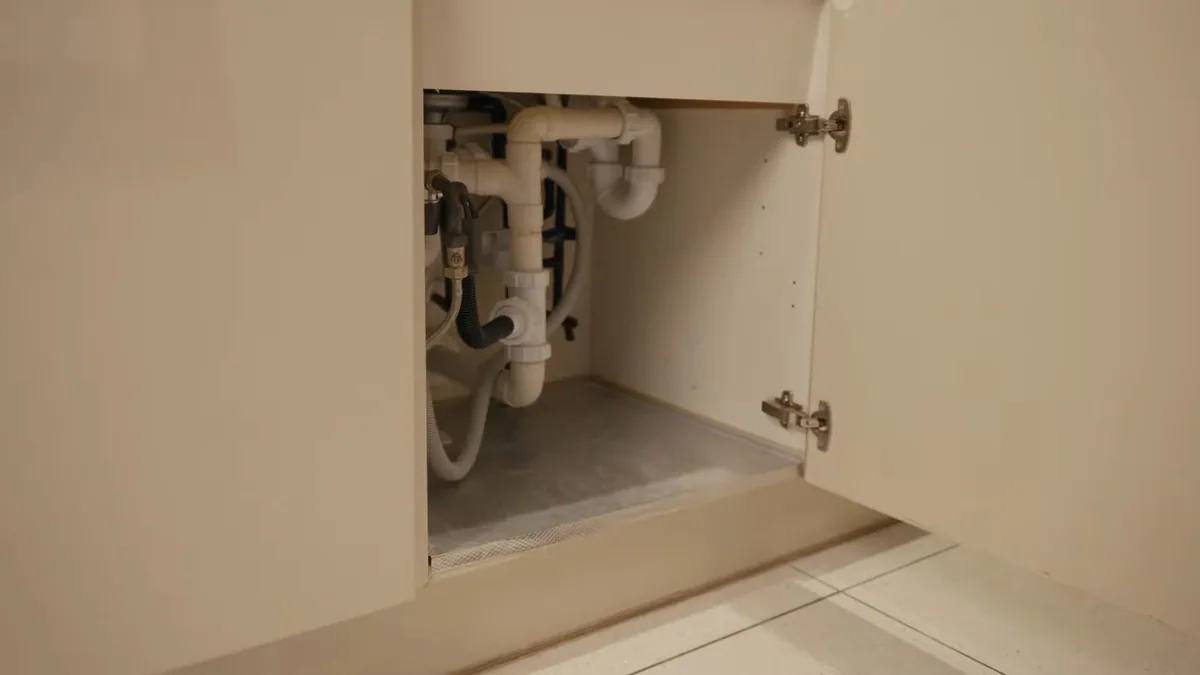
Toilet repair: running, weak flush and leaks at the base
A running toilet usually points to a worn flapper, a misadjusted fill valve or a chain that is too tight or too loose. A weak flush often traces to mineral buildup under the rim or a partly blocked tank outlet. A leak at the base can mean a failed wax ring or a loose closet bolt.
| Symptom | Likely part | Fix |
|---|---|---|
| Runs on its own | Flapper or fill valve | Replace the part |
| Weak flush | Rim jets or tank outlet | Clear scale |
| Water at the base | Wax ring or bolts | Reset the toilet |
| Rocks on the floor | Loose flange or bolts | Secure and reseal |
| Slow refill | Supply valve or fill valve | Check and replace |
Toilet installation and replacement
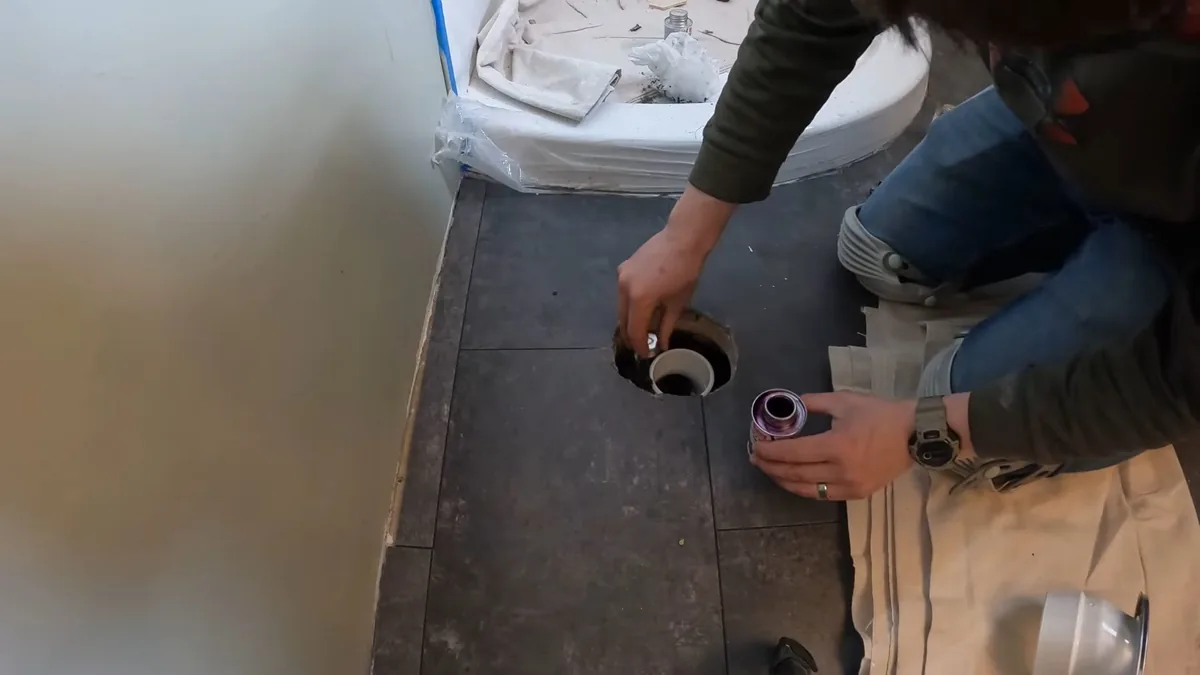
Replacing a toilet means shutting off the supply, draining the tank, lifting the old fixture, cleaning the flange and setting a new wax ring before the new bowl goes down. The flange height and the rough-in distance decide which models fit. Measure from the wall to the bolts before buying.
Toilet running or leaking?
Call and say what you see. A plumber can bring the right part.
Kitchen sink and faucet repair
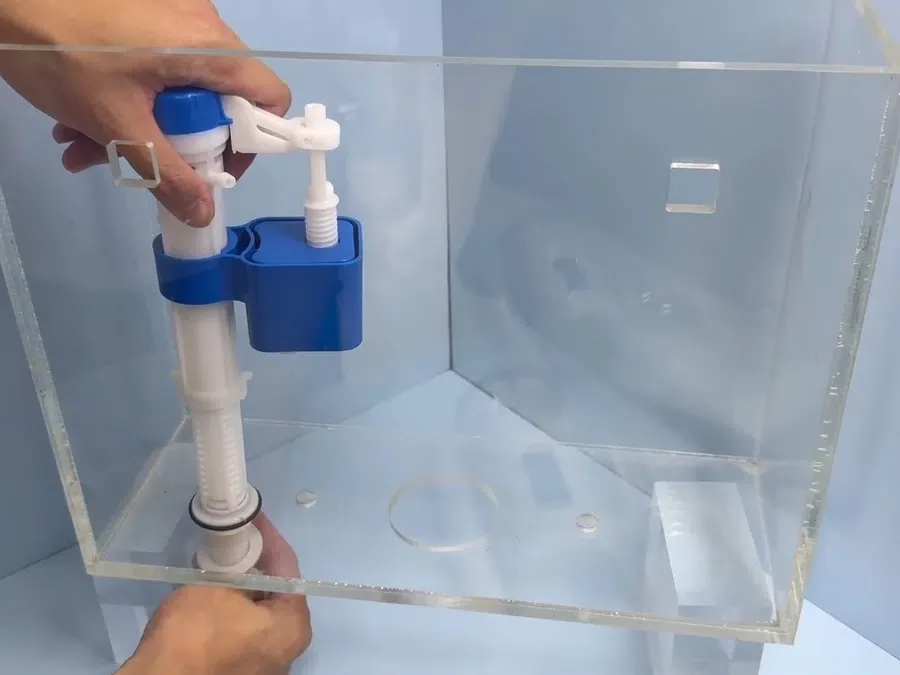
Kitchen faucets wear at the cartridge, the seals and the spray hose. A drip from the spout points to the cartridge. A leak under the sink points to the supply lines or the drain connections. Age matters: an old faucet may be cheaper to replace than to rebuild, and the plumber will say which applies.
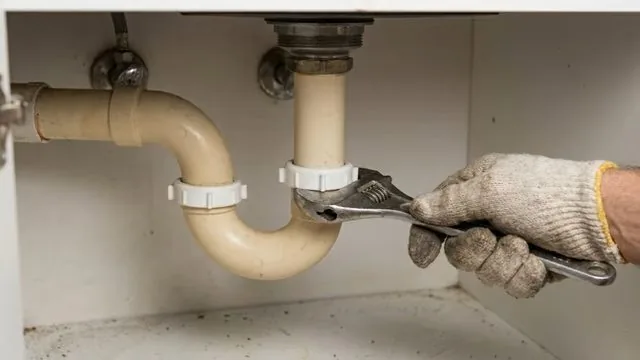
- Drip from the spout: cartridge or seal
- Wet cabinet below: supply line or drain slip nut
- Weak flow: clogged aerator or valve
- Loose handle: set screw or mounting nut
Faucet installation and replacement
A new faucet needs matching holes in the sink or counter, new supply lines and a clean mounting surface. Specialty installs such as pull-down sprayers, touchless models or wall-mounted fillers can add steps. Tell dispatch what you bought so the visit allows for it.
Bought a faucet and need it installed?
Tell dispatch the model. A plumber can plan the visit.
Shower valve, shower head and tub leaks
A shower that drips after shutoff usually has a worn cartridge. A shower head that sprays sideways needs descaling or replacement. A tub that leaks into the wall is more serious, since water behind the surface can cause hidden damage. Stop using the fixture and call if you see staining on the other side of the wall.
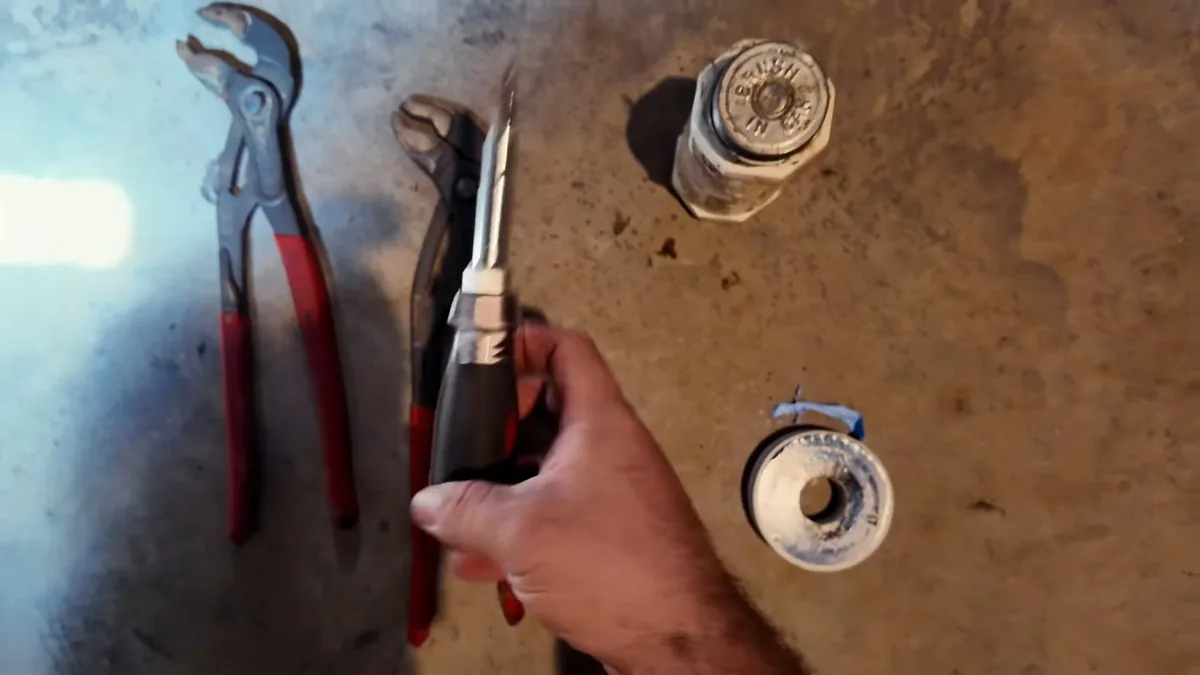
Bathroom sink, vanity and bathtub
Vanity sinks leak at the drain, the supply stops or the faucet base. Tubs leak at the overflow, the drain flange or the spout. Replacing a worn trap or a seal is quick when caught early, and a slow drain is often the first sign.
Shutoff valves, hose bibs and bidets
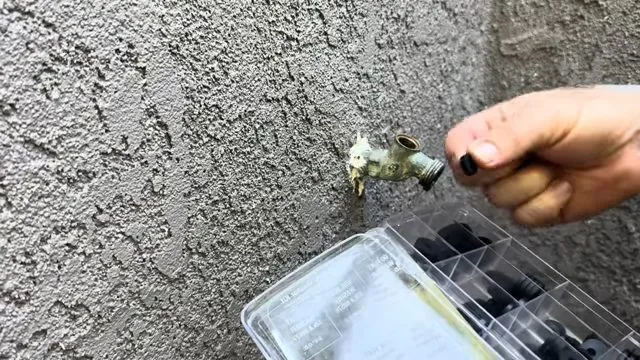
Stop valves under sinks and toilets wear out and sometimes refuse to close. Replacing them gives a reliable local shutoff for later repairs. A hose bib that drips behind the handle needs a new washer or a new valve, and a bidet seat needs a tee fitting and a small supply line.
Remodels and rough-in work behind the fixture
A bathroom or kitchen remodel moves fixtures, and that means plumbing changes inside the wet space: new supply stubs, drain relocation and valve placement. A plumber handles that rough-in before walls close up and tests it before tile or cabinets go on. Bring the fixture list and the plan so the visit can cover every connection.
Upgrades belong here as well: low-flow fixtures, a tub-to-shower conversion or other plumbing system upgrades for a bathroom. A plumber handles the valves, drains and supply changes that go with them. Appliance hookups belong here too. A dishwasher, ice maker or washing machine box needs a shutoff, a supply and a proper drain connection, and a loose hookup is a common source of slow leaks that go unnoticed for weeks.
If a fixture leak soaks a wall or ceiling, shut off the main and keep power off nearby outlets until a plumber checks the area.
Fixture repair questions
How is a kitchen faucet installed?
The plumber shuts off the supply valves, removes the old faucet, cleans the mounting surface, sets the new faucet and connects new supply lines. Then the aerator is checked and the connections are tested for drips. Some faucets need extra holes or a soap dispenser fitting, so tell dispatch what you bought.
Why is the utility or laundry sink leaking?
Common causes are a worn supply hose, a loose drain slip nut, a cracked trap or a failed faucet cartridge. Dry the area, place a bowl, then watch which connection drips. A plumber can usually replace the part in one visit.
How do I fix a toilet that keeps running?
Lift the tank lid and look at the flapper and the fill valve. A flapper that does not seal lets water slip into the bowl, and a fill valve set too high spills into the overflow tube. Replacing either is a short repair. If the problem returns, call a plumber.
There is a leak in a bathroom wall. What do I do?
Shut off the water to the fixture, or the main if you cannot find the valve. Keep the wall open to dry if you can and watch for stains spreading. A plumber needs to find whether the leak is in a supply, a drain or a shower valve behind the wall.
Small leaks cost more the longer they run
Describe the fixture and the symptom and dispatch can match the visit to the part.
- Licensed and insured plumbers
- Same-day service when available
- 24/7 emergency dispatch