
Emergency Sewer Line Repair When Drains Back Up
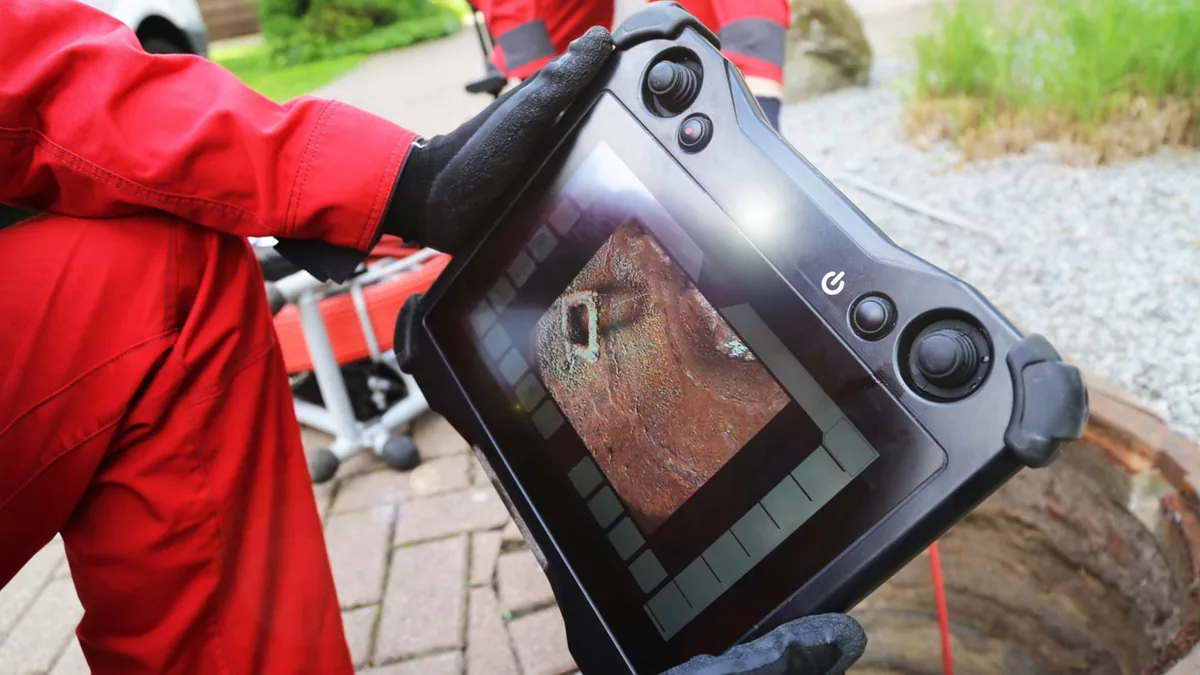
If you call about a sewer backup, the plumber starts by learning which fixtures are affected, then confirms where the line is blocked or broken with a camera before recommending a cleaning, a repair or a replacement.
- Licensed and insured plumbers
- Same-day service when available
- 24/7 emergency dispatch
Sewer backup: what it looks like and what to do first
A sewer backup begins quietly. A toilet gurgles when the washing machine drains, a shower drains slowly, or the lowest floor drain shows water. When several fixtures act up together, the shared line is the problem. Water that rises in a tub when you flush is the final warning.
- Hold off on every tap and appliance.
- Keep children and pets away from standing water.
- Do not run a dishwasher or washer.
- Take photos of the water and any affected rooms.
- Call and report which fixtures are involved.
The quicker the water stops, the less reaches flooring and drywall. If it already has, the cleanup is a drying job covered by the water damage removal page.
Camera inspection of the sewer line
A camera on a flexible cable travels through the line and sends a live picture to a screen. It shows roots, cracks, sags, offsets and scale, and it measures how far from the cleanout each is. Sewer leak detection is part of the same visit, since a line that leaks into the soil often shows a gap or a stain on camera. Without it, the choice between cleaning and repair is a guess.
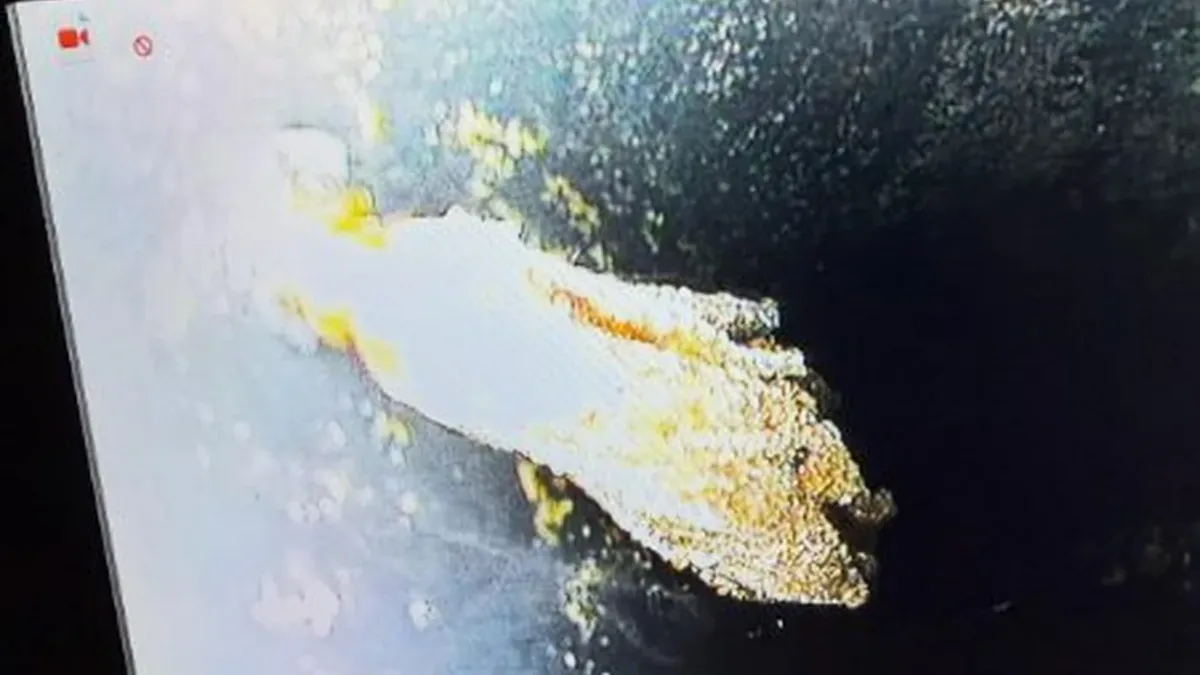
Ask to see the recording and to receive a written note of findings. A recording gives you something to compare against later and something to show a buyer or an insurer.
Sewage in a tub or on a floor?
Hold off on water and call. Dispatch can talk you through the first steps.
Sewer line cleaning and the rooter step
Many backups are blockages, not breaks. A cable or a water jet clears the obstruction and restores flow. The cleaning is the quickest fix and the first step when the camera shows a sound pipe. When roots are the cause, cleaning cuts them back but does not stop regrowth, so repeat service may follow.
Sewer repair: when a section has failed
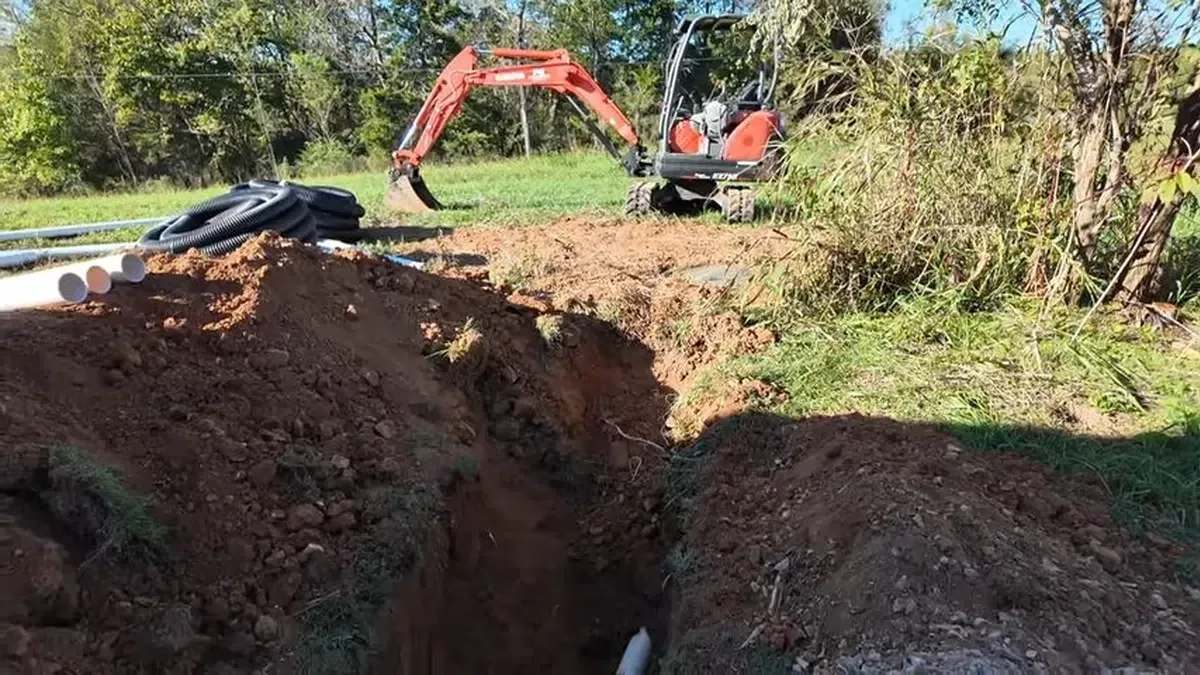
Repair applies to a section of line that has cracked, separated or sagged. The plumber locates the section with the camera, then digs to it or fixes it from inside the pipe, depending on depth, access and material. A short section is a smaller job than a long run.
| Finding on camera | What it usually calls for | Reason |
|---|---|---|
| Soft blockage, pipe sound | Cleaning | Pipe is intact |
| Roots at one joint | Cleaning then a joint repair | Roots return through the gap |
| Crack or offset in one spot | Spot repair | Failure is limited |
| Sag holding water | Section replacement | Debris collects there |
| Failure along most of the run | Replacement or lining | Patching will not hold |
Trenchless lining and pipe bursting
Trenchless methods repair a line with little digging. Lining pulls a resin-saturated tube through the pipe and hardens it in place, creating a pipe inside the old one. Pipe bursting pulls new pipe through the old line while breaking the old pipe outward. Each suits different conditions.
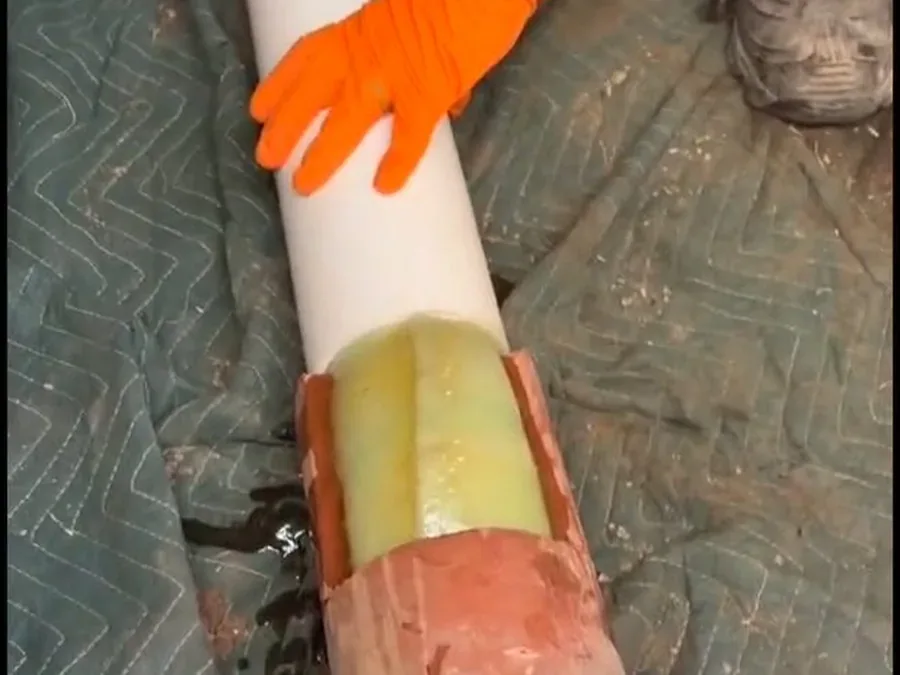
Neither method fits every line. Lining needs a pipe that is mostly intact, and bursting needs access at both ends. The plumber should explain why one fits your yard, landscaping and the pipe condition better than digging a trench.
Sewer replacement: the whole lateral
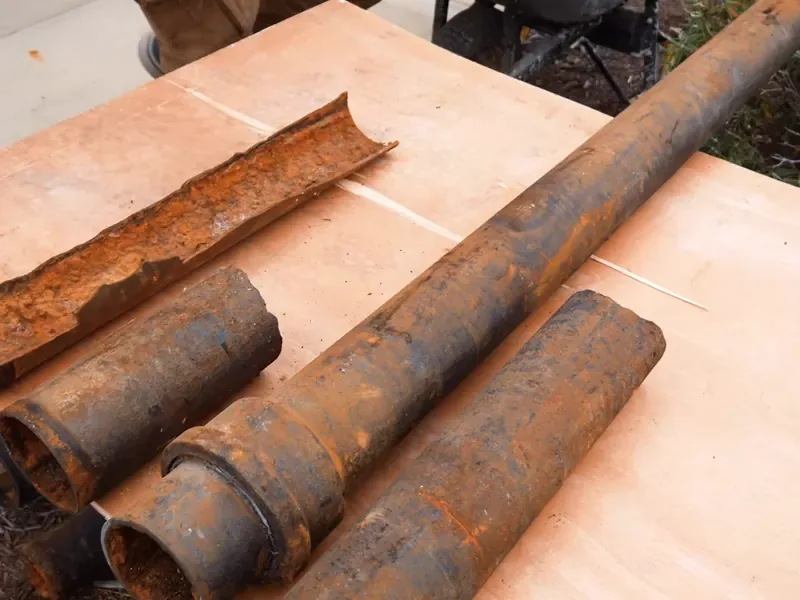
Replacement is the answer when the line has failed along its length. Clay, cast iron and Orangeburg pipe all age, and some of them break down with time. Replacing the lateral removes the repeat service calls and the uncertainty. Permit and utility requirements apply, so ask who is handling the paperwork.
Camera shows damage along the line?
Ask the plumber to describe repair and replacement side by side before choosing.
Lateral responsibility: homeowner or utility?
Where the line is yours and where the utility takes over decides who pays and who permits. In Carefree, Liberty Utilities (Black Mountain Sewer) lines convey wastewater to the City of Scottsdale Water Campus, according to Sonoran News. The sewer main belongs to the utility. The lateral from the house to the connection is, in general, the property owner's responsibility. Confirm the exact boundary with the utility for your lot.
Cleanouts and sewer smell
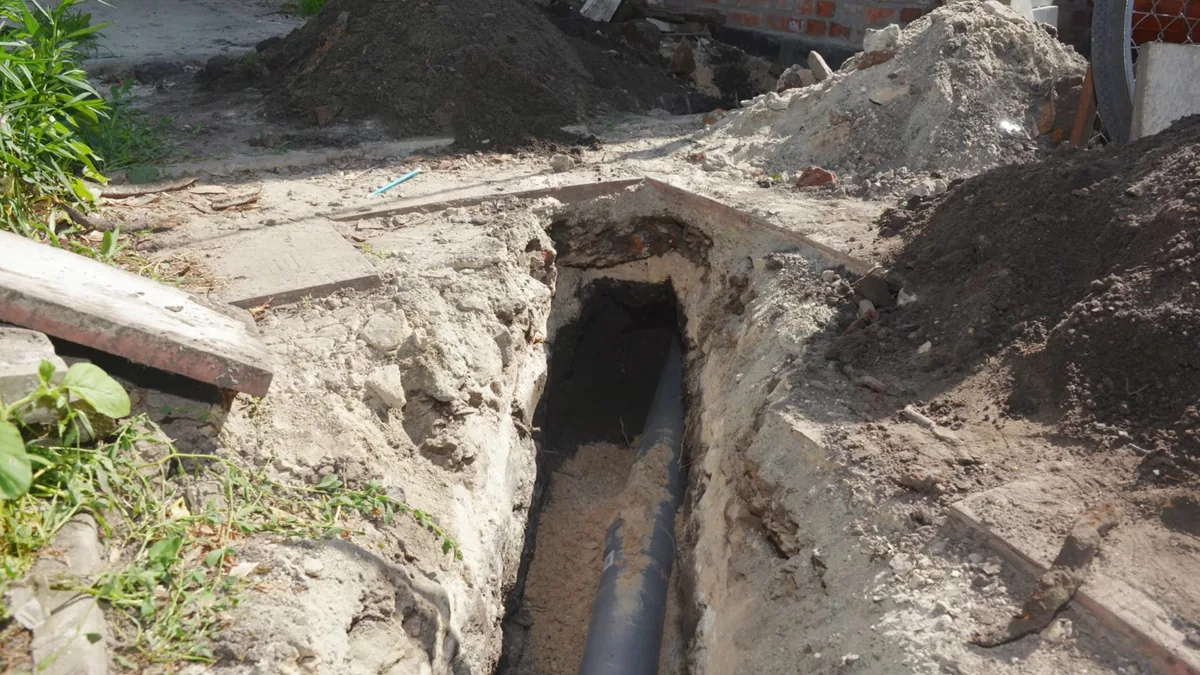
A cleanout is a capped pipe that gives access to the line. Knowing where it is makes a visit faster, and a missing or buried cleanout is worth correcting. Sewer smell inside the house usually traces to a dry trap or a vent problem, and outside smell may come from the line itself.
Sewage carries bacteria. Wear gloves and boots near backed-up water, wash well afterward, and keep children and pets out of the area until the line is cleared and the floor is cleaned.
Sewer questions from Carefree homeowners
What should I do when a clogged main sewer line is backing up or flooding?
Stop all water use, including washers and dishwashers, and keep people and pets away from any standing water. Do not flush, since every flush adds to the overflow. If water is rising at the lowest floor drain, call right away. The two options are clearing the line with a cable or jet, or repairing the line if a camera shows damage. Clearing suits a blockage, and repair suits a break or collapse.
Is a sewer lateral inspection worth doing before a home sale?
Yes, in most cases. A camera inspection shows roots, sags and cracks that a buyer or a seller would otherwise discover at the worst moment. The short answer is that the inspection is inexpensive compared with a surprise repair. Ask for the recording and a written summary, and share both with the other side of the sale.
My main sewer line is clogged and backing up. What is the likely cause?
Roots entering at joints, grease buildup, a sagging section and paper that catches on a rough spot are the usual causes. In Carefree, wastewater is conveyed to the City of Scottsdale Water Campus by Liberty Utilities (Black Mountain Sewer) lines, according to Sonoran News, so the line outside your property belongs to the utility. A plumber starts by finding where the blockage is.
Which plumber handles a clogged main sewer line?
1. Check whether more than one fixture is affected. 2. Look for a cleanout cap near the house. 3. Call a plumber if more than one fixture is slow or water is rising at a floor drain. One caution: if the overflow is outside the property line or in the street, the sewer utility should be told as well. A plumber can say which side of the line the problem is on.
Why does my house smell like sewage?
Picture a bathroom that smells only after the shower runs: the likely cause is a dry trap in an unused drain or a damaged vent. A smell across the whole house points to a break or a blockage in the line. Pour water into rarely used drains first. If the smell persists, call, because sewer gas in a closed house is not something to ignore.
Who handles a sewer backup in a Carefree home?
Call a plumber first for anything inside the house. What can wait: a slow single fixture with no smell. What cannot: sewage in a tub or on a floor. Move belongings away, stop using water and keep the area ventilated. If the backup reached drywall or flooring, the cleanup is a separate job covered under water damage removal.
A backing up sewer line is damage in progress
Tell dispatch which fixtures are affected and a plumber can be lined up for the line.
- Licensed and insured plumbers
- Same-day service when available
- 24/7 emergency dispatch